
Mark Maio
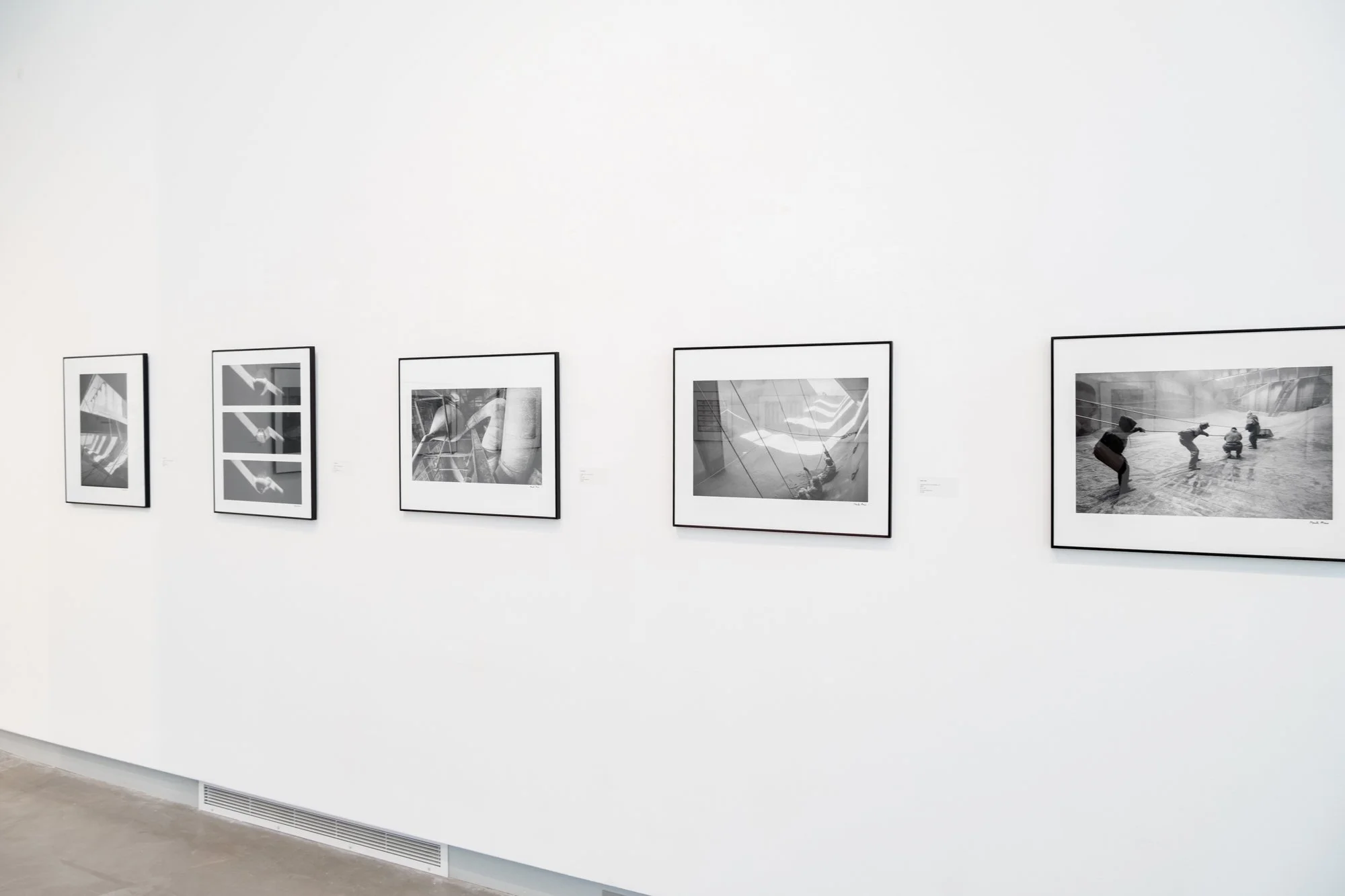
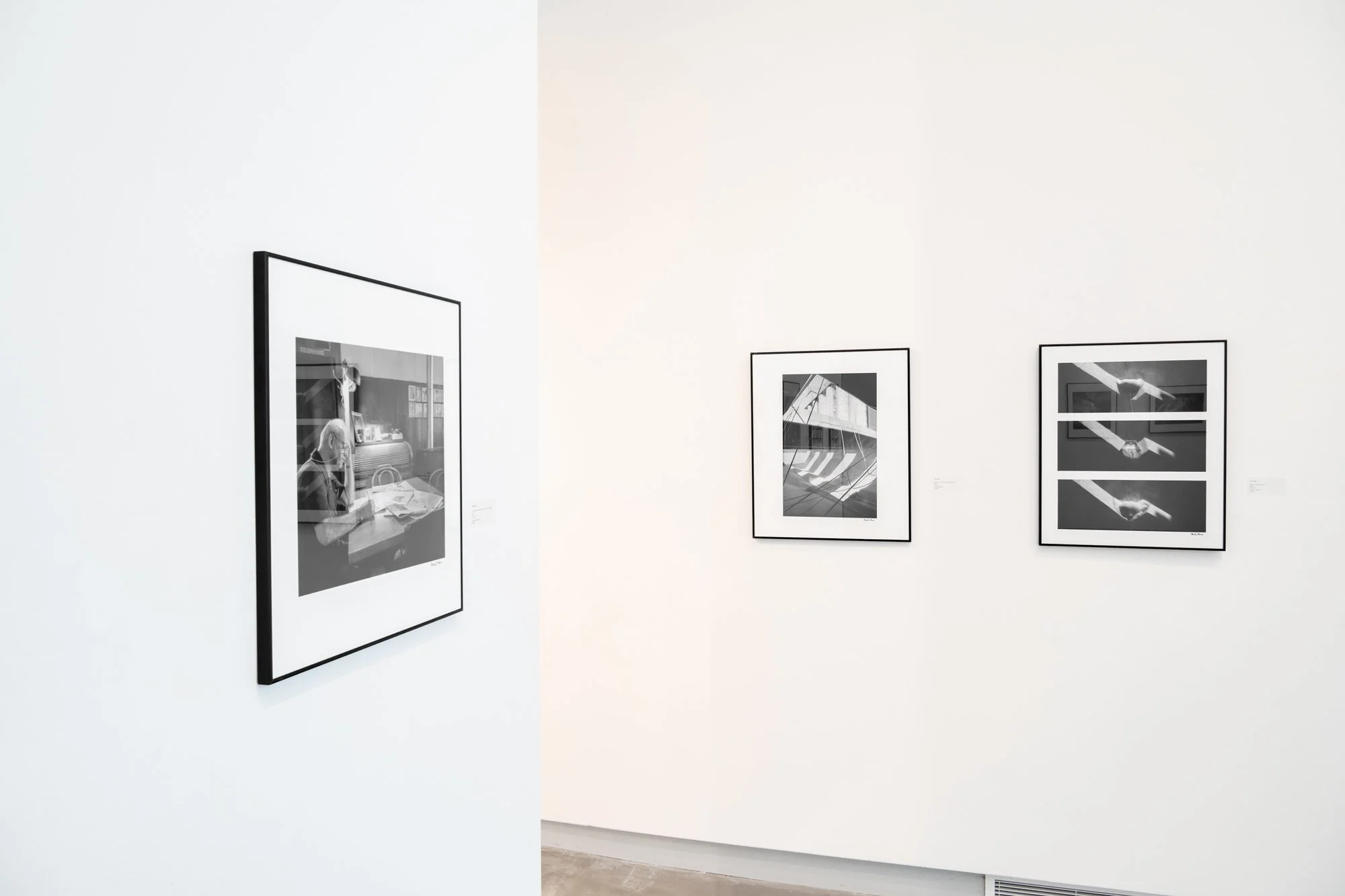
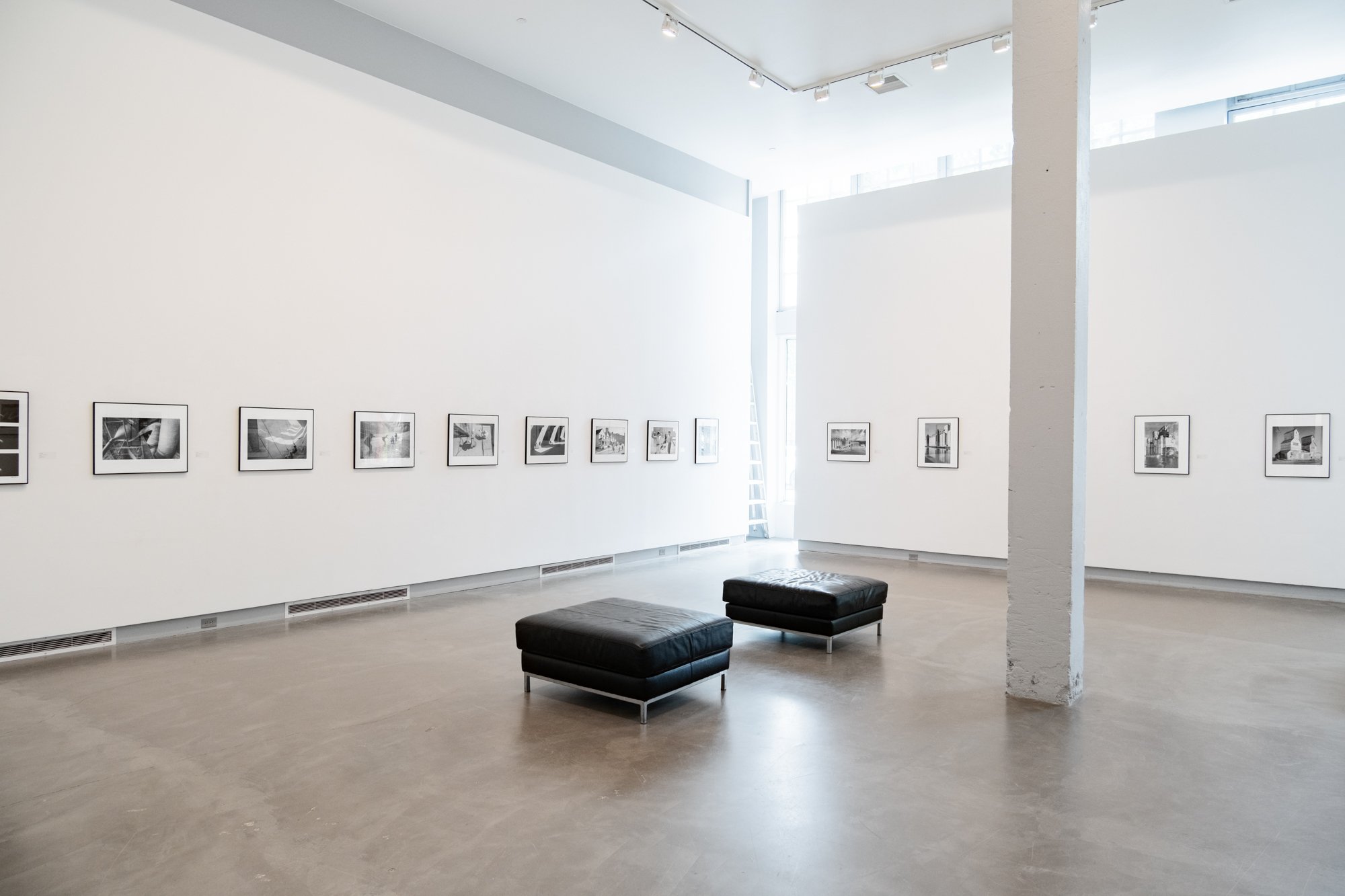
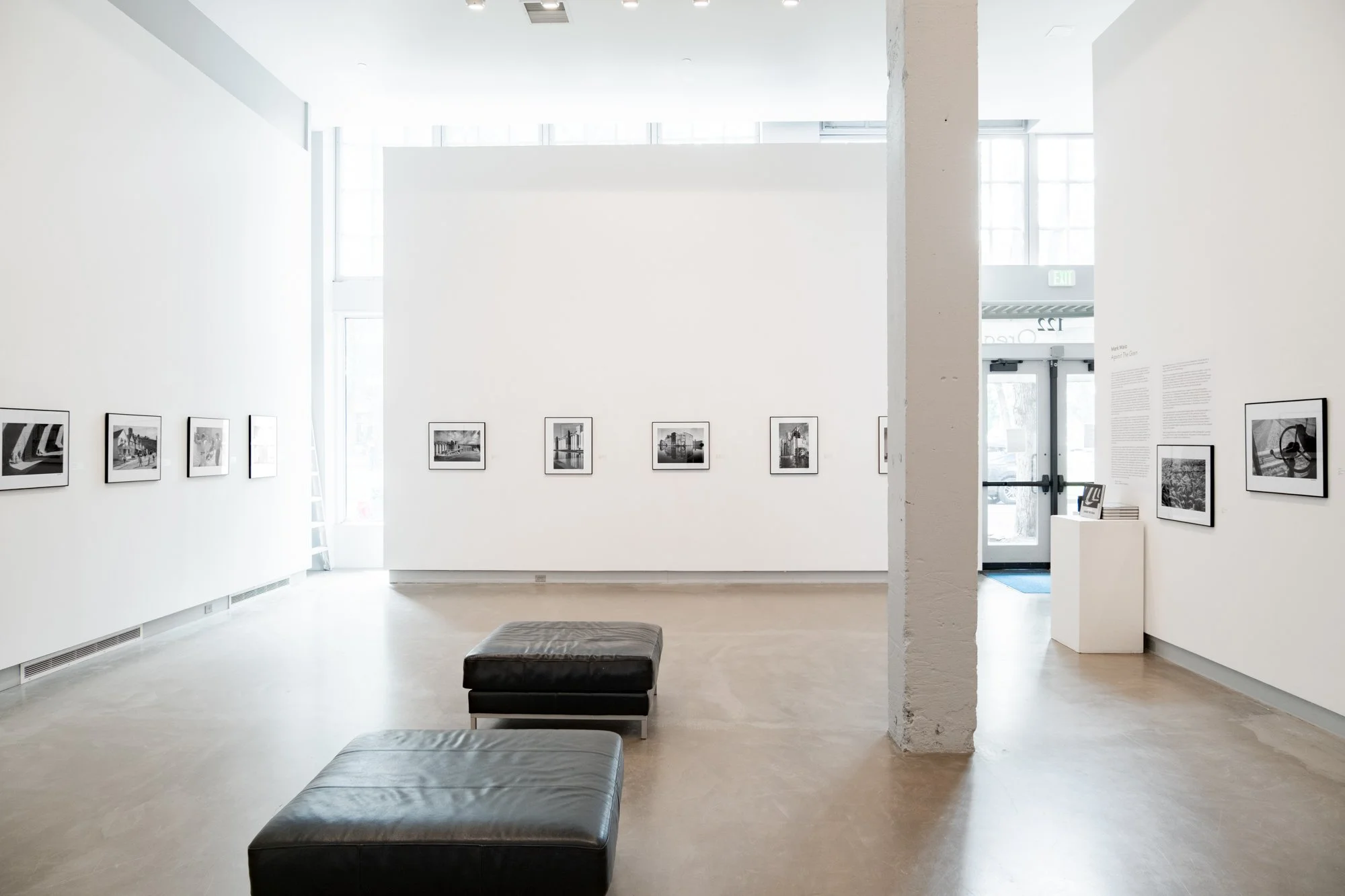
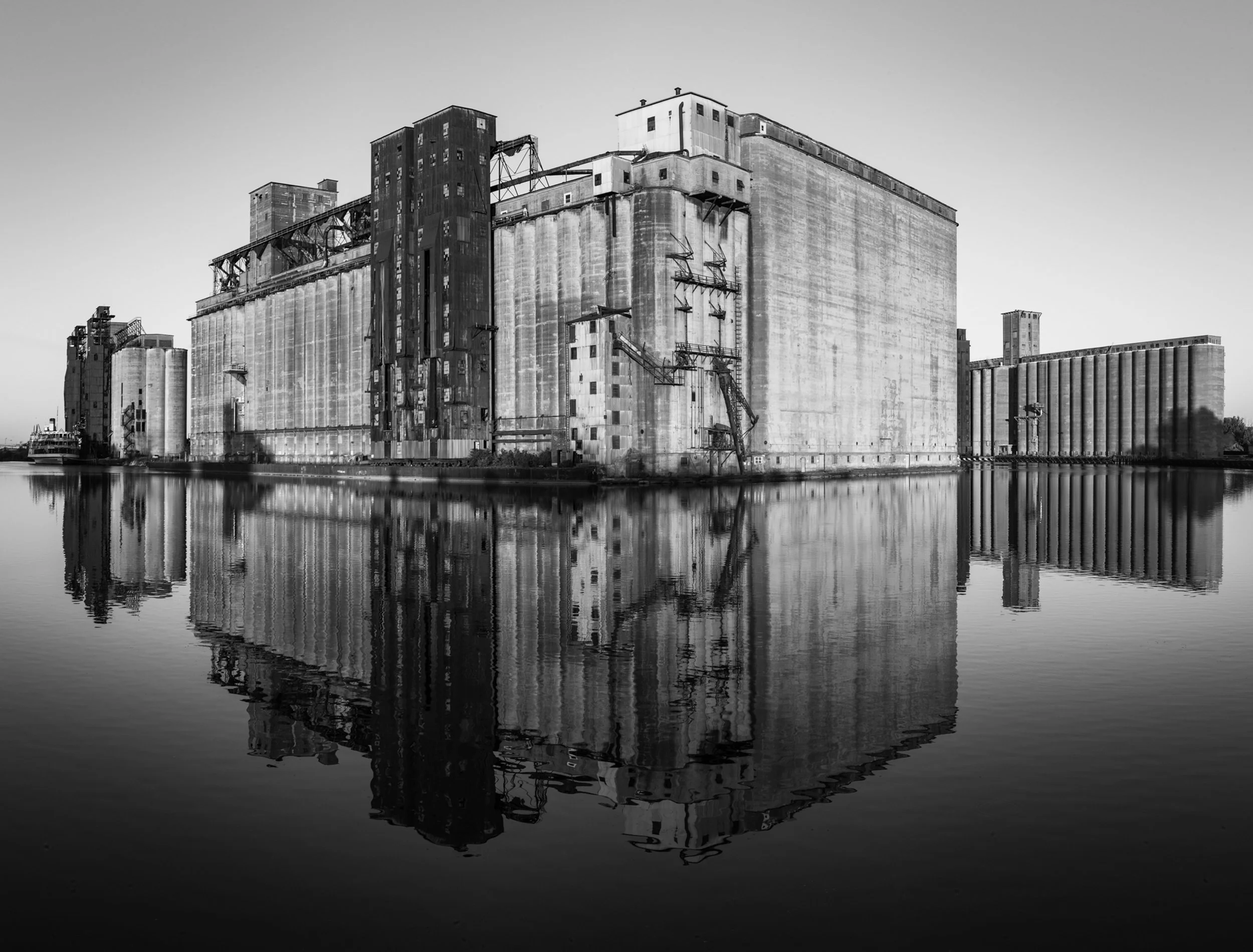
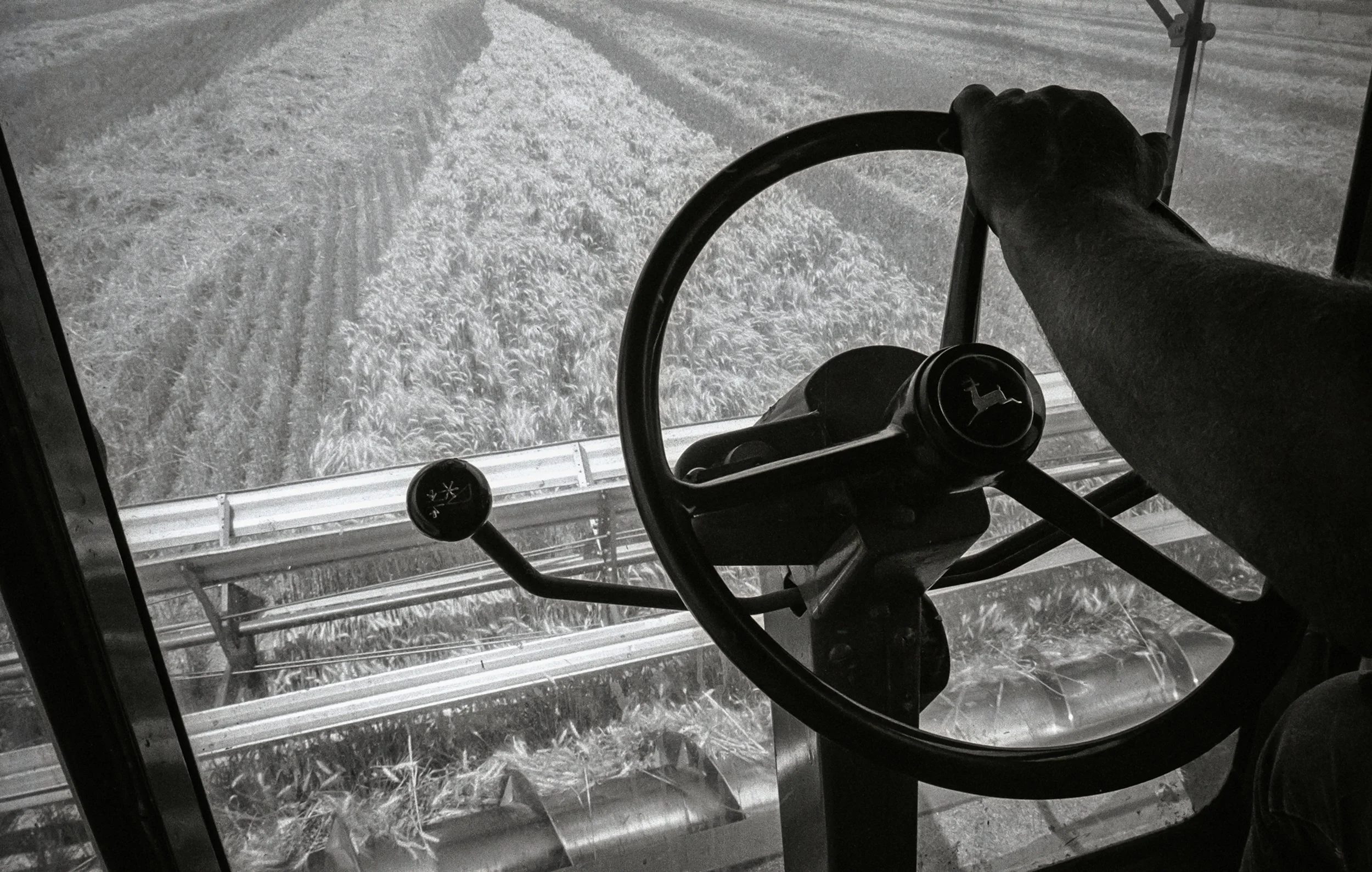
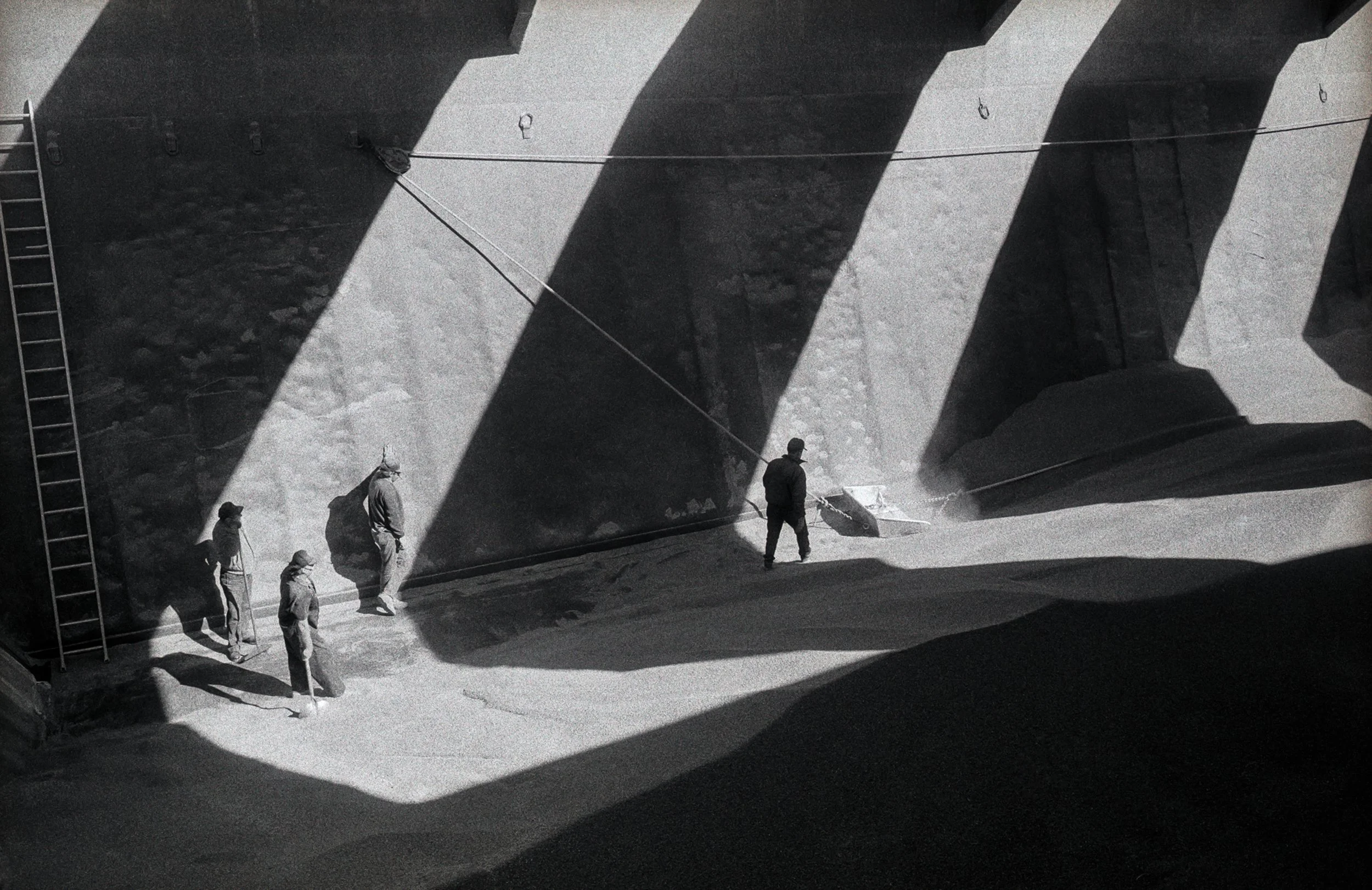
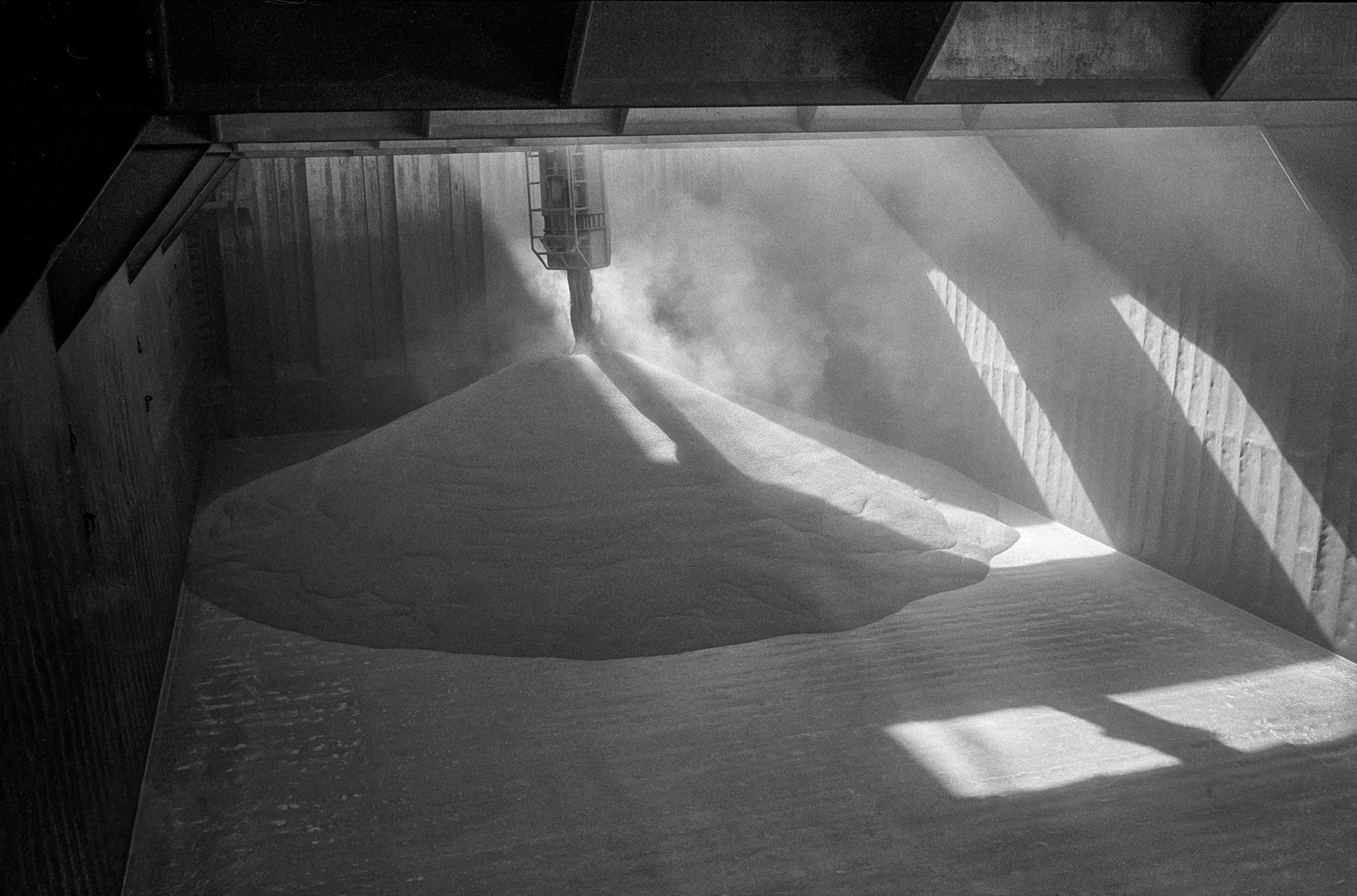
Against The Grain
Aug 6 - 29 , 2026
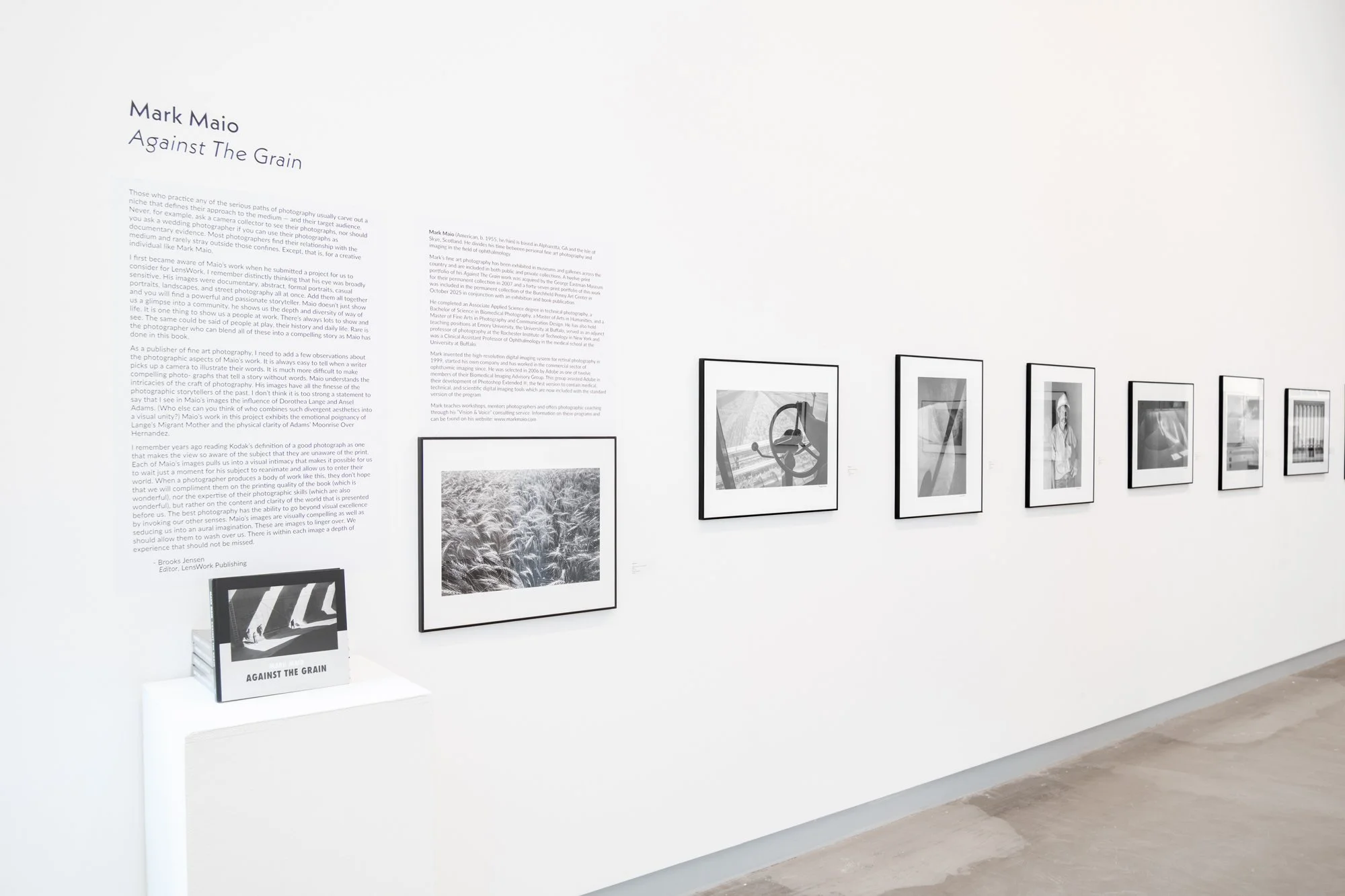
Those who practice any of the serious paths of photography usually carve out a niche that defines their approach to the medium — and their target audience. Never, for example, ask a camera collector to see their photographs, nor should you ask a wedding photographer if you can use their photographs as documentary evidence. Most photographers find their relationship with the medium and rarely stray outside those confines. Except, that is, for a creative individual like Mark Maio.
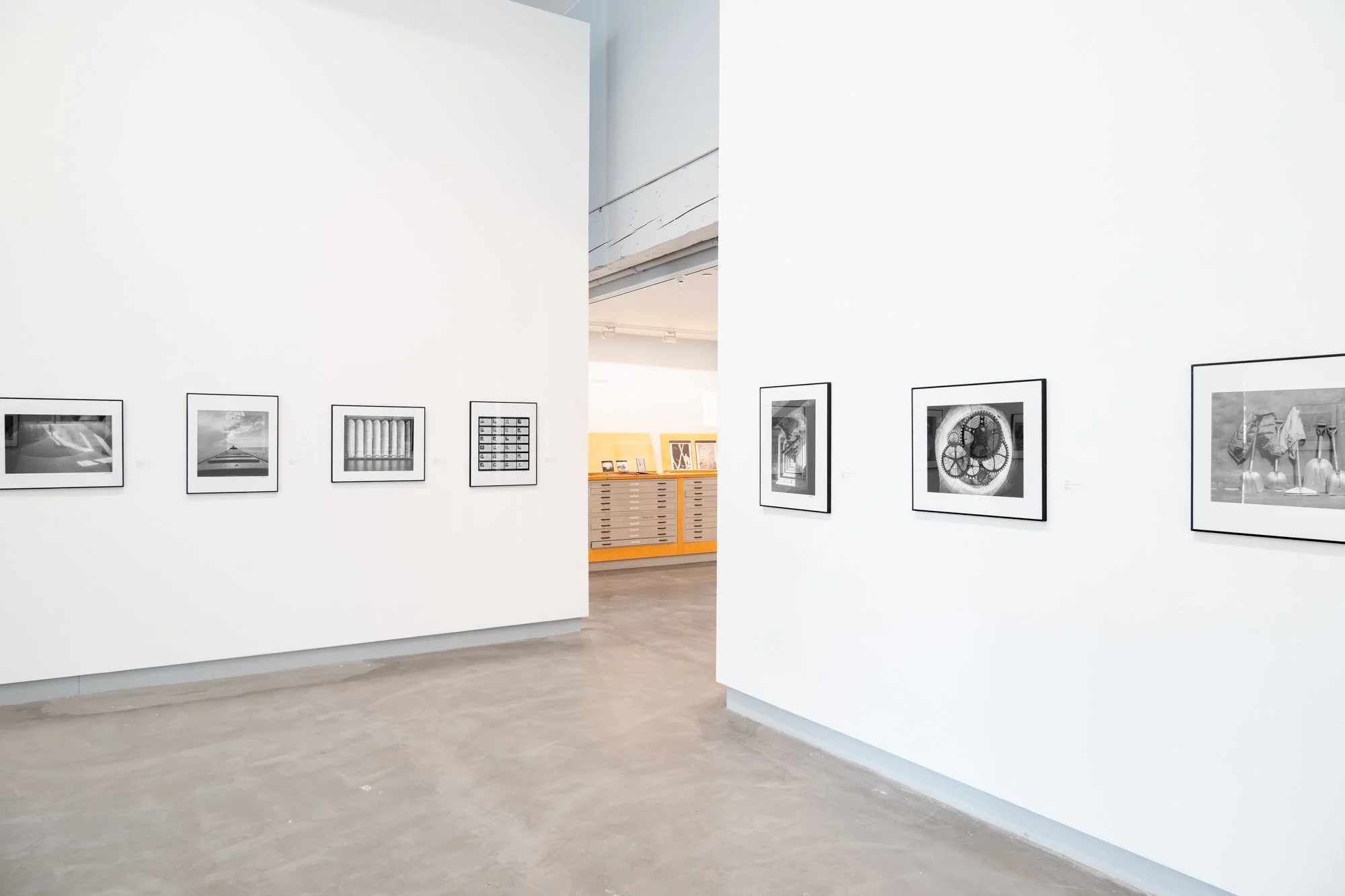
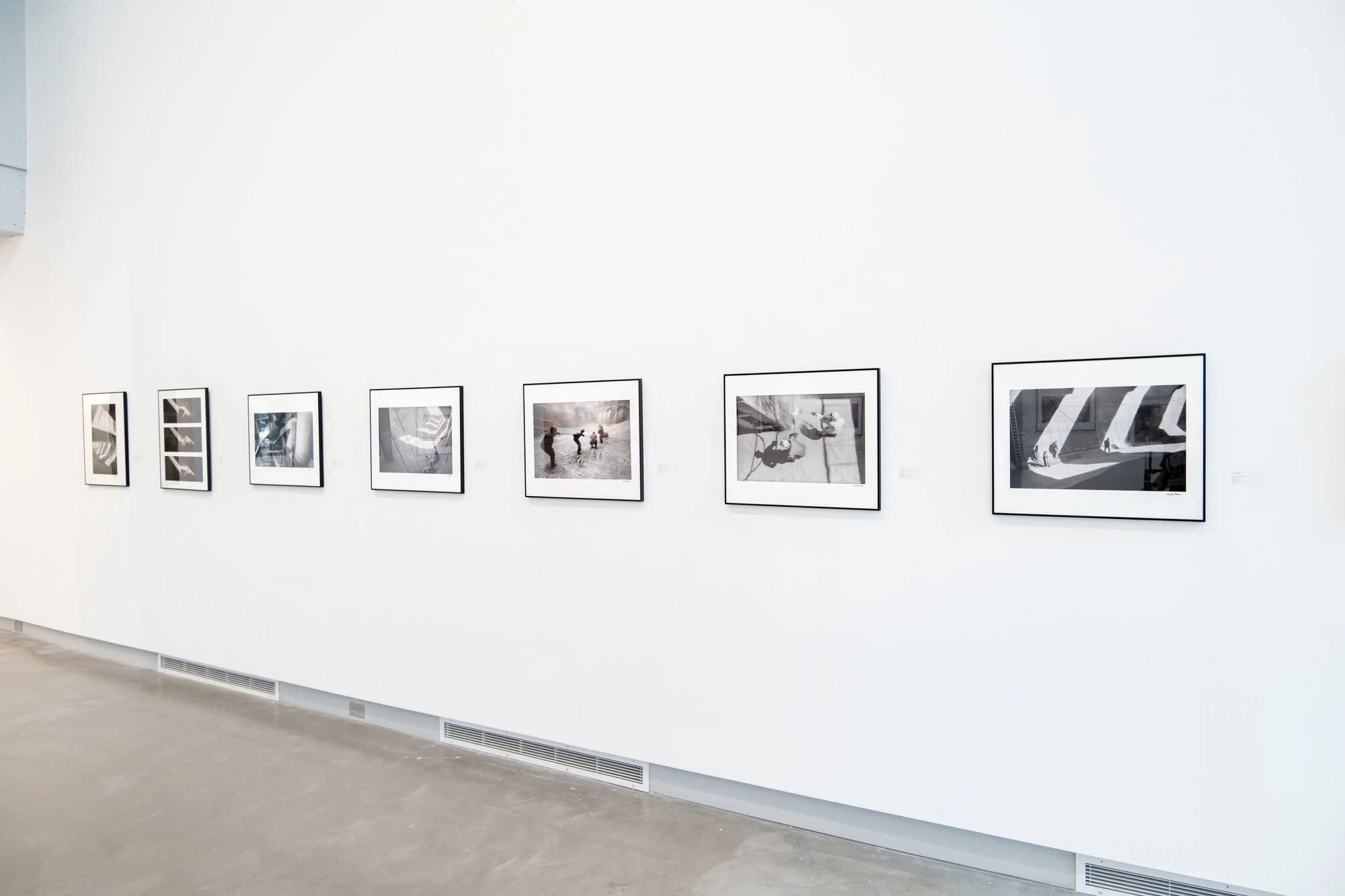
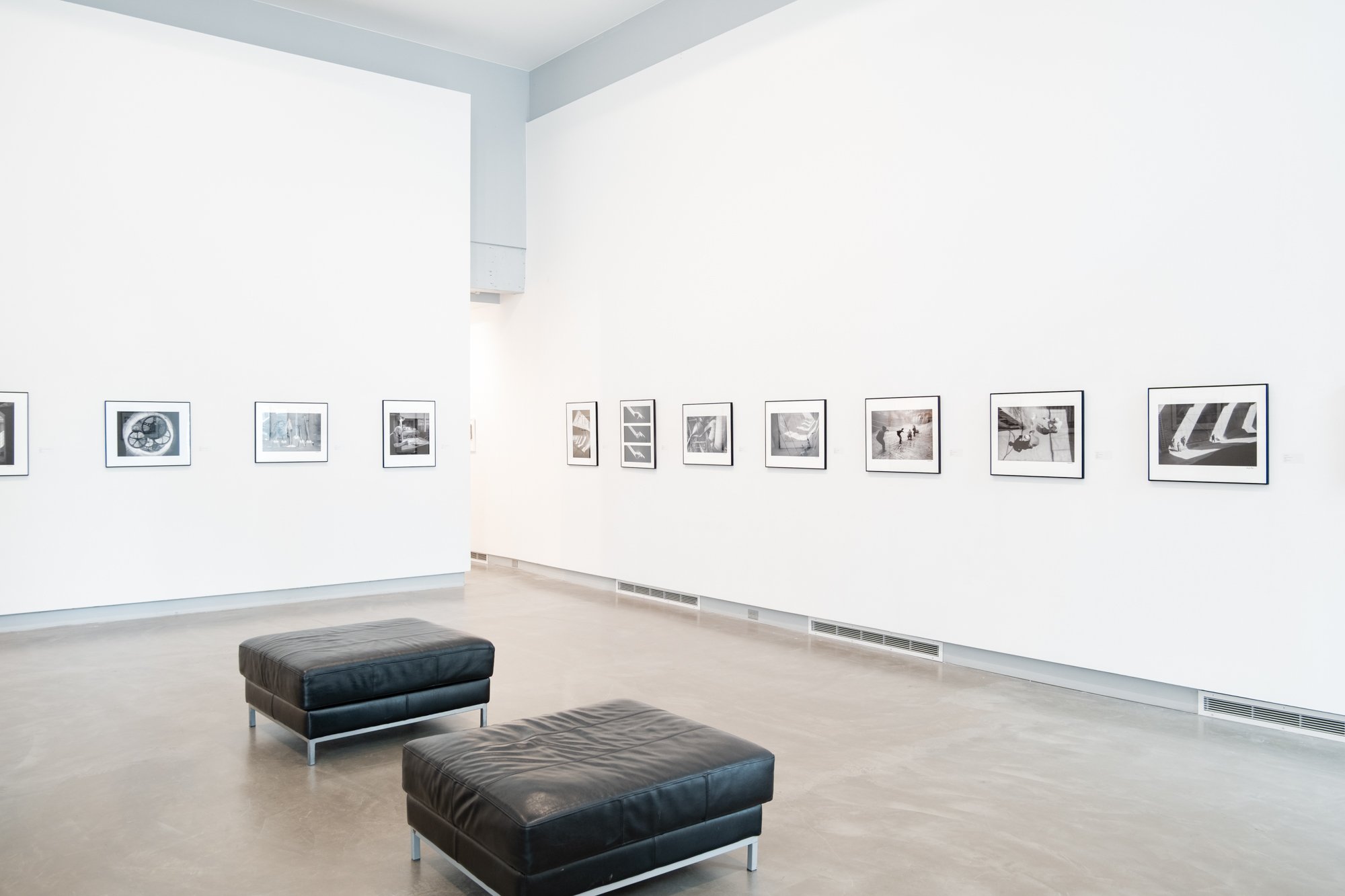
I first became aware of Maio’s work when he submitted a project for us to consider for LensWork. I remember distinctly thinking that his eye was broadly sensitive. His images were documentary, abstract, formal portraits, casual portraits, landscapes, and street photography all at once. Add them all together and you will find a powerful and passionate storyteller. Maio doesn’t just show us a glimpse into a community, he shows us the depth and diversity of way of life. It is one thing to show us a people at work. There’s always lots to show and see. The same could be said of people at play, their history and daily life. Rare is the photographer who can blend all of these into a compelling story as Maio has done in this book.
As a publisher of fine art photography, I need to add a few observations about the photographic aspects of Maio’s work. It is always easy to tell when a writer picks up a camera to illustrate their words. It is much more difficult to make compelling photo- graphs that tell a story without words. Maio understands the intricacies of the craft of photography. His images have all the finesse of the photographic storytellers of the past. I don’t think it is too strong a statement to say that I see in Maio’s images the influence of Dorothea Lange and Ansel Adams. (Who else can you think of who combines such divergent aesthetics into a visual unity?) Maio’s work in this project exhibits the emotional poignancy of Lange’s Migrant Mother and the physical clarity of Adams’ Moonrise Over Hernandez.
I remember years ago reading Kodak’s definition of a good photograph as one that makes the view so aware of the subject that they are unaware of the print. Each of Maio’s images pulls us into a visual intimacy that makes it possible for us to wait just a moment for his subject to reanimate and allow us to enter their world. When a photographer produces a body of work like this, they don’t hope that we will compliment them on the printing quality of the book (which is wonderful), nor the expertise of their photographic skills (which are also wonderful), but rather on the content and clarity of the world that is presented before us. The best photography has the ability to go beyond visual excellence by invoking our other senses. Maio’s images are visually compelling as well as seducing us into an aural imagination. These are images to linger over. We should allow them to wash over us. There is within each image a depth of experience that should not be missed.
- Brooks Jensen
Editor, LensWork Publishing
Mark Maio (American, b. 1955, he/him) is based in Alpharetta, GA and the Isle of Skye, Scotland. He divides his time between personal fine art photography and imaging in the field of ophthalmology.
Mark’s fine art photography has been exhibited in museums and galleries across the country and are included in both public and private collections. A twelve-print portfolio of his Against The Grain work was acquired by the George Eastman Museum for their permanent collection in 2007 and a forty-seven print portfolio of this work was included in the permanent collection of the Burchfield Penny Art Center in October 2025 in conjunction with an exhibition and book publication.
He completed an Associate Applied Science degree in technical photography, a Bachelor of Science in Biomedical Photography, a Master of Arts in Humanities, and a Master of Fine Arts in Photography and Communication Design. He has also held teaching positions at Emory University, the University at Buffalo, served as an adjunct professor of photography at the Rochester Institute of Technology in New York and was a Clinical Assistant Professor of Ophthalmology in the medical school at the University at Buffalo.
Mark invented the high-resolution digital imaging system for retinal photography in 1999, started his own company and has worked in the commercial sector of ophthalmic imaging since. He was selected in 2006 by Adobe as one of twelve members of their Biomedical Imaging Advisory Group. This group assisted Adobe in their development of Photoshop Extended ®, the first version to contain medical, technical, and scientific digital imaging tools which are now included with the standard version of the program.
Mark teaches workshops, mentors photographers and offers photographic coaching through his “Vision & Voice” consulting service. Information on these programs and can be found on his website: www.markmaio.com