
Jay Wolke
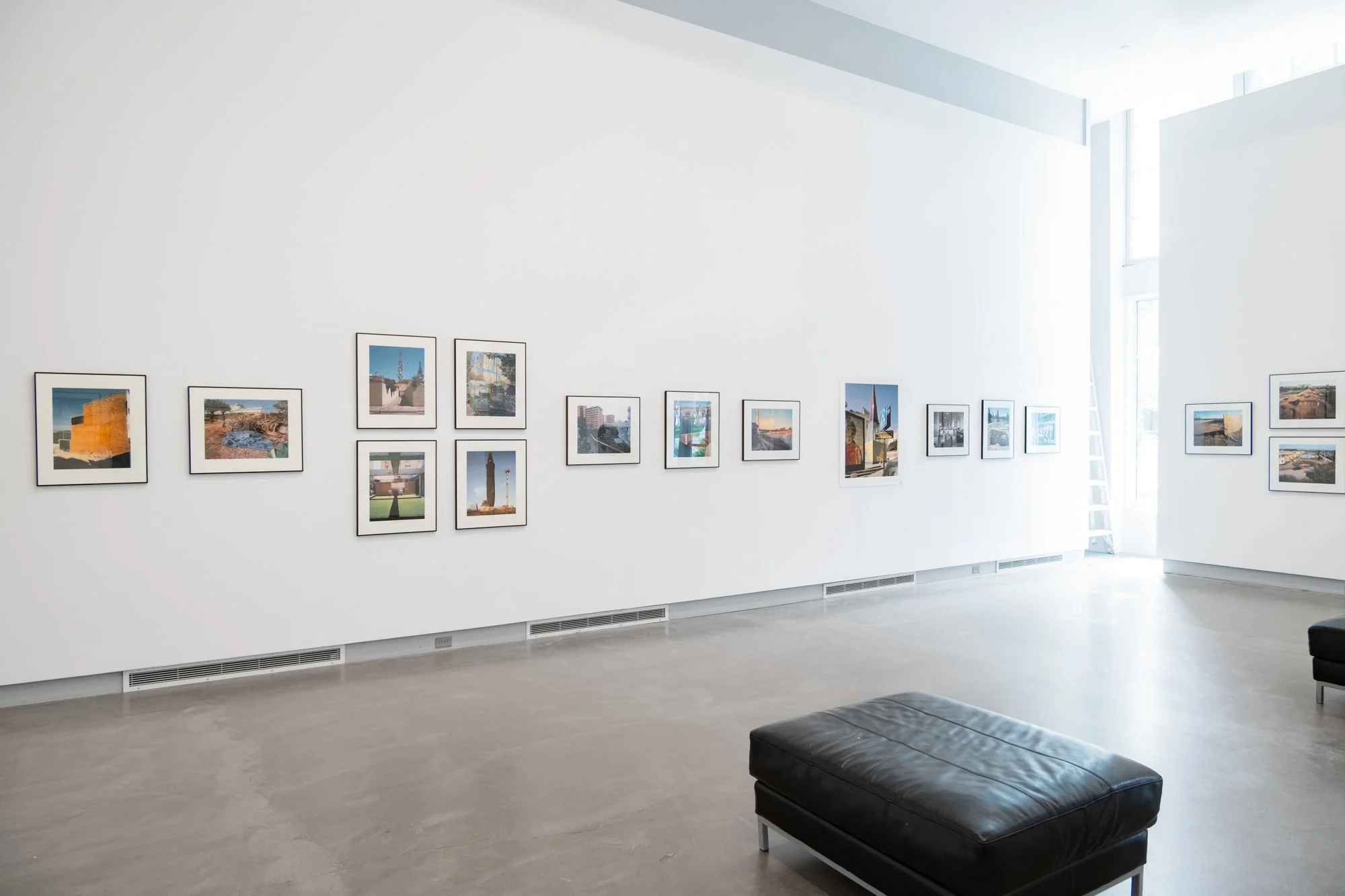
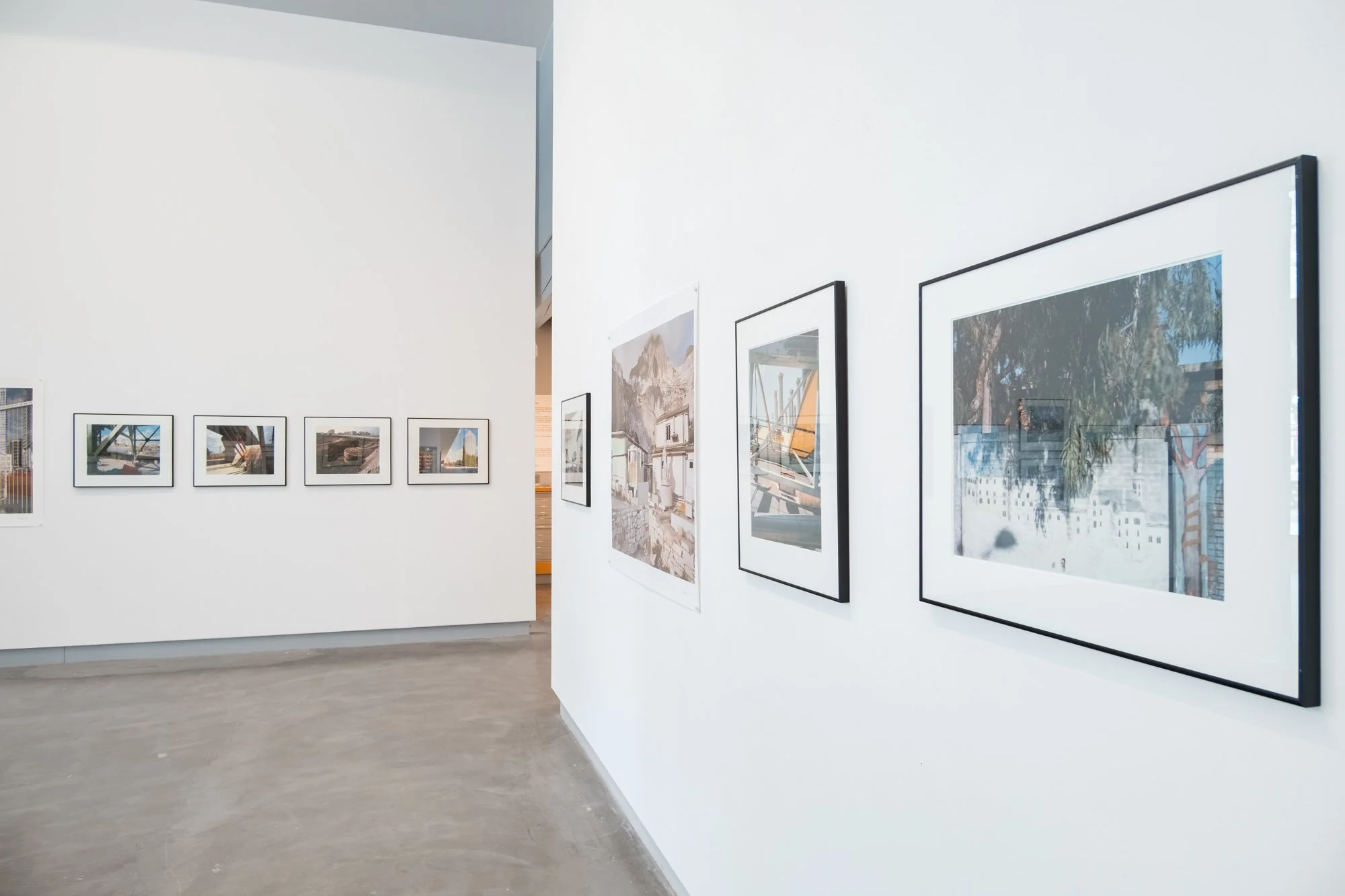
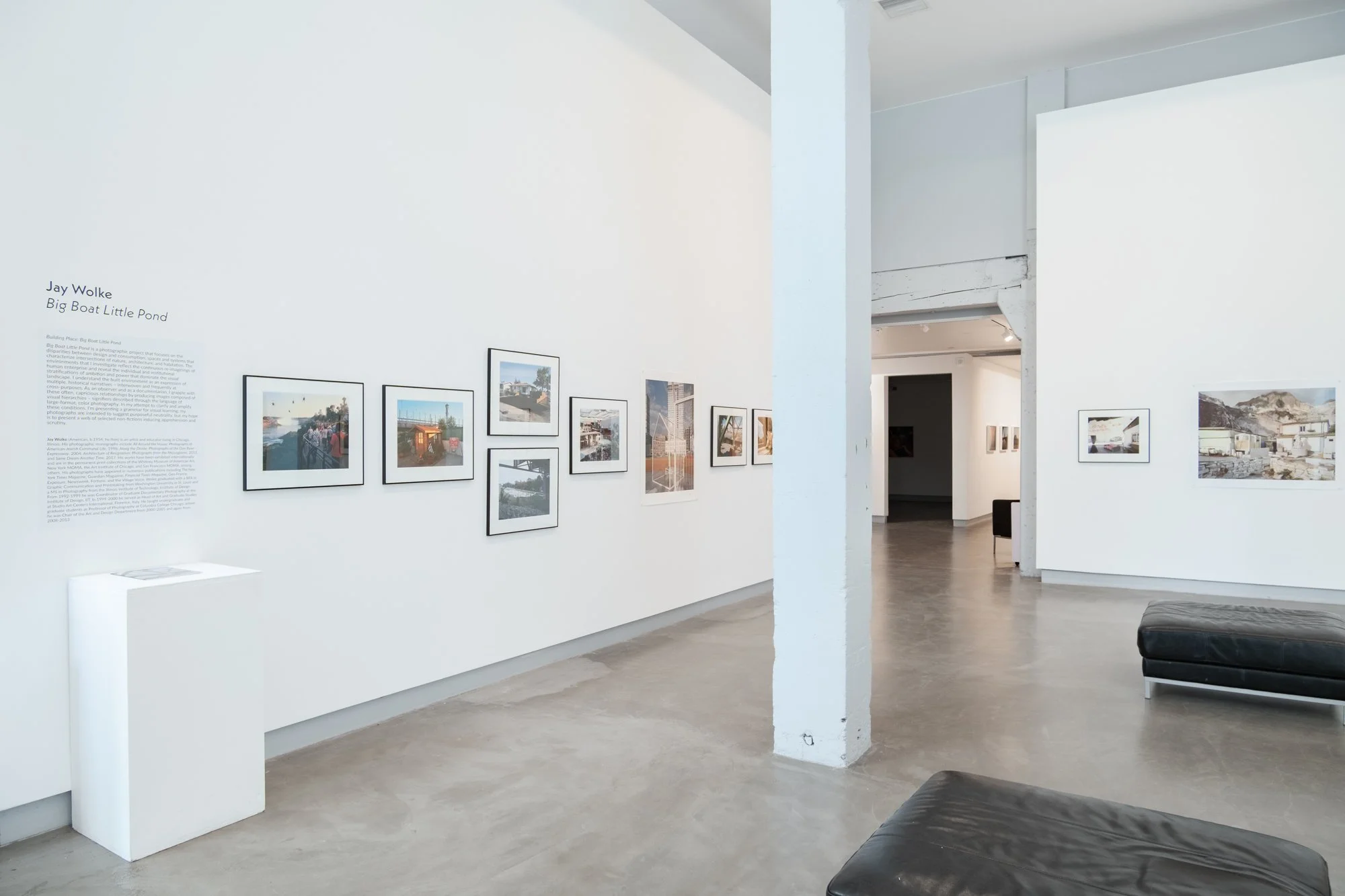
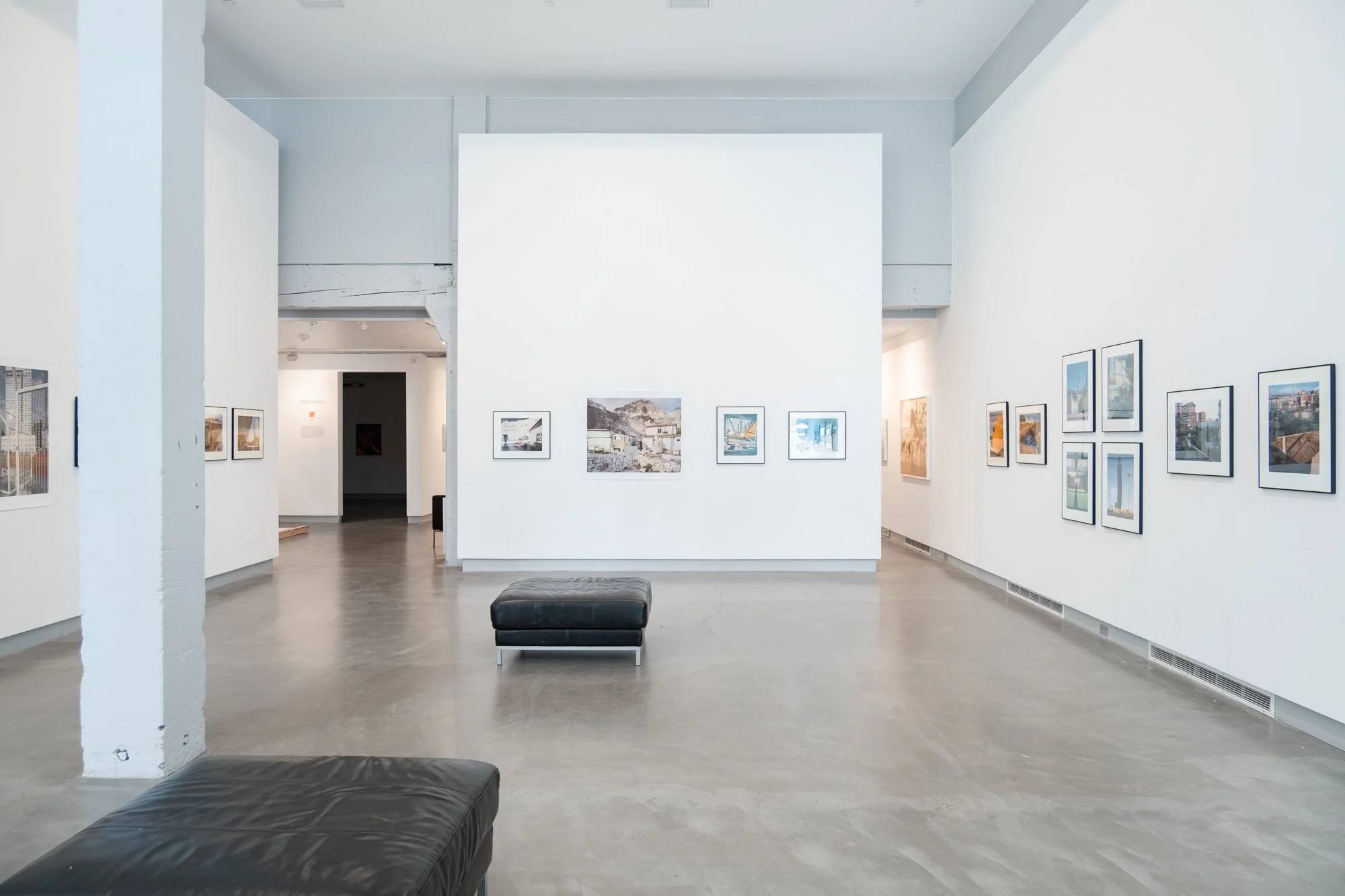
Big Boat Little Pond
Jun 4 - 27 , 2026
Building Place: Big Boat Little Pond
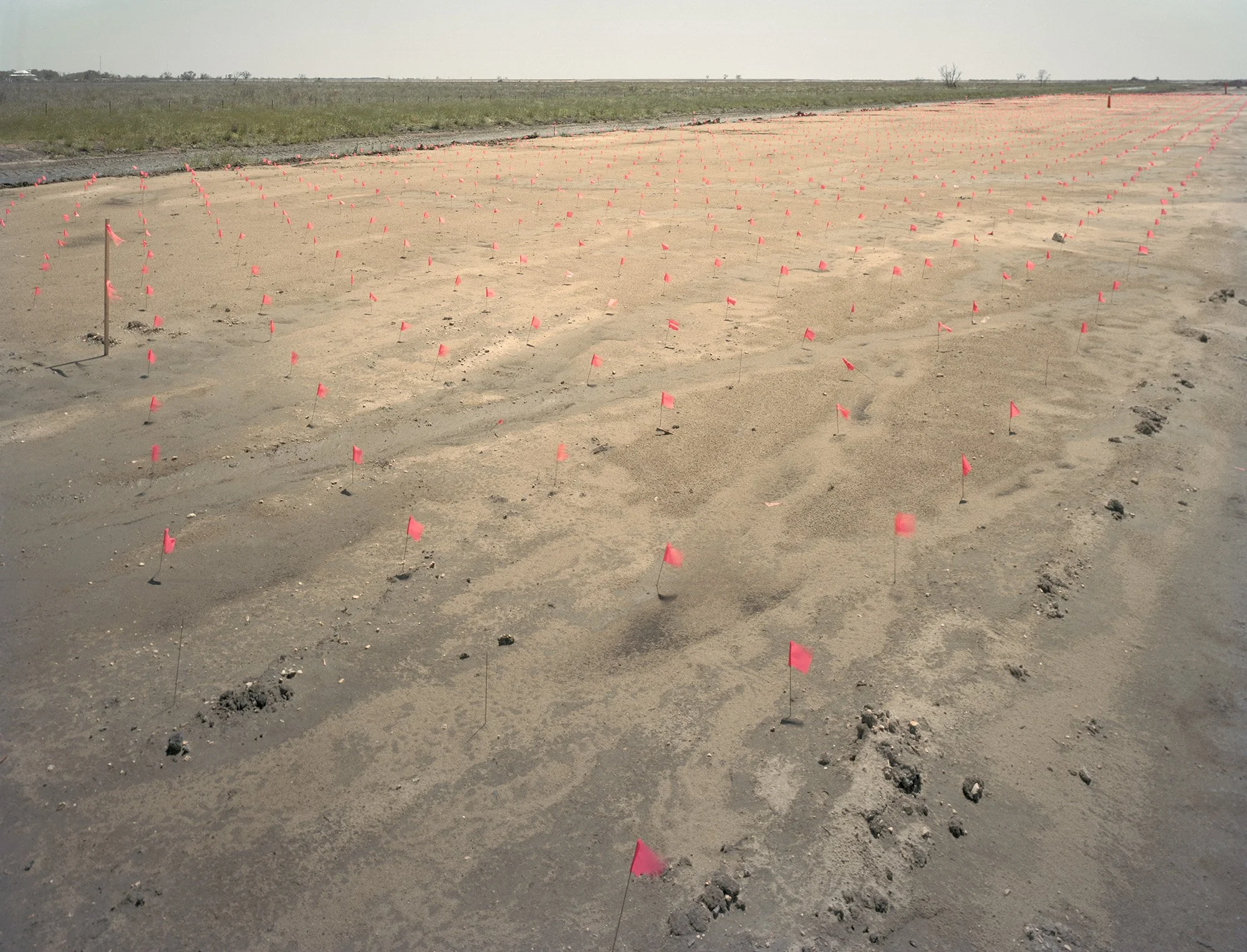
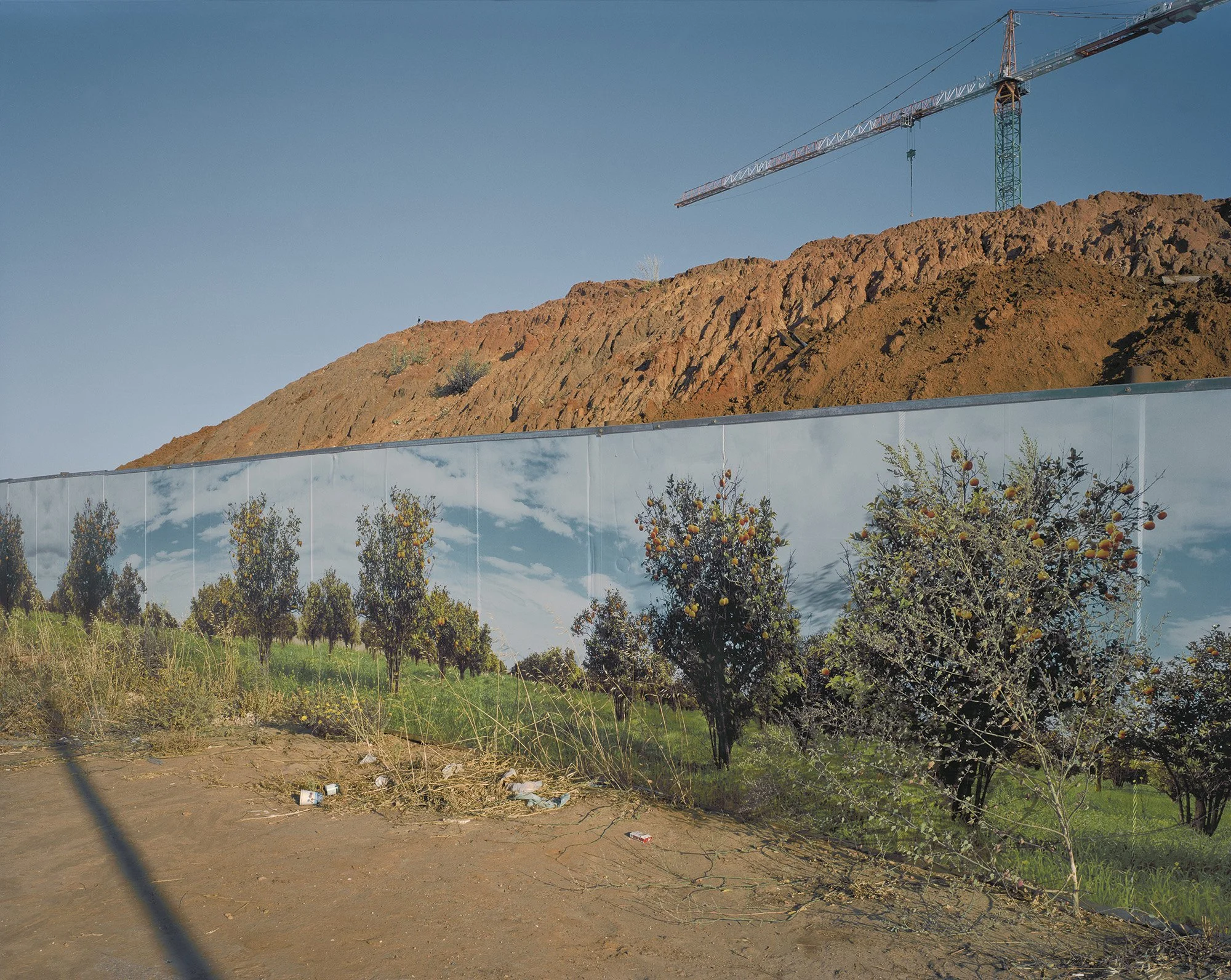
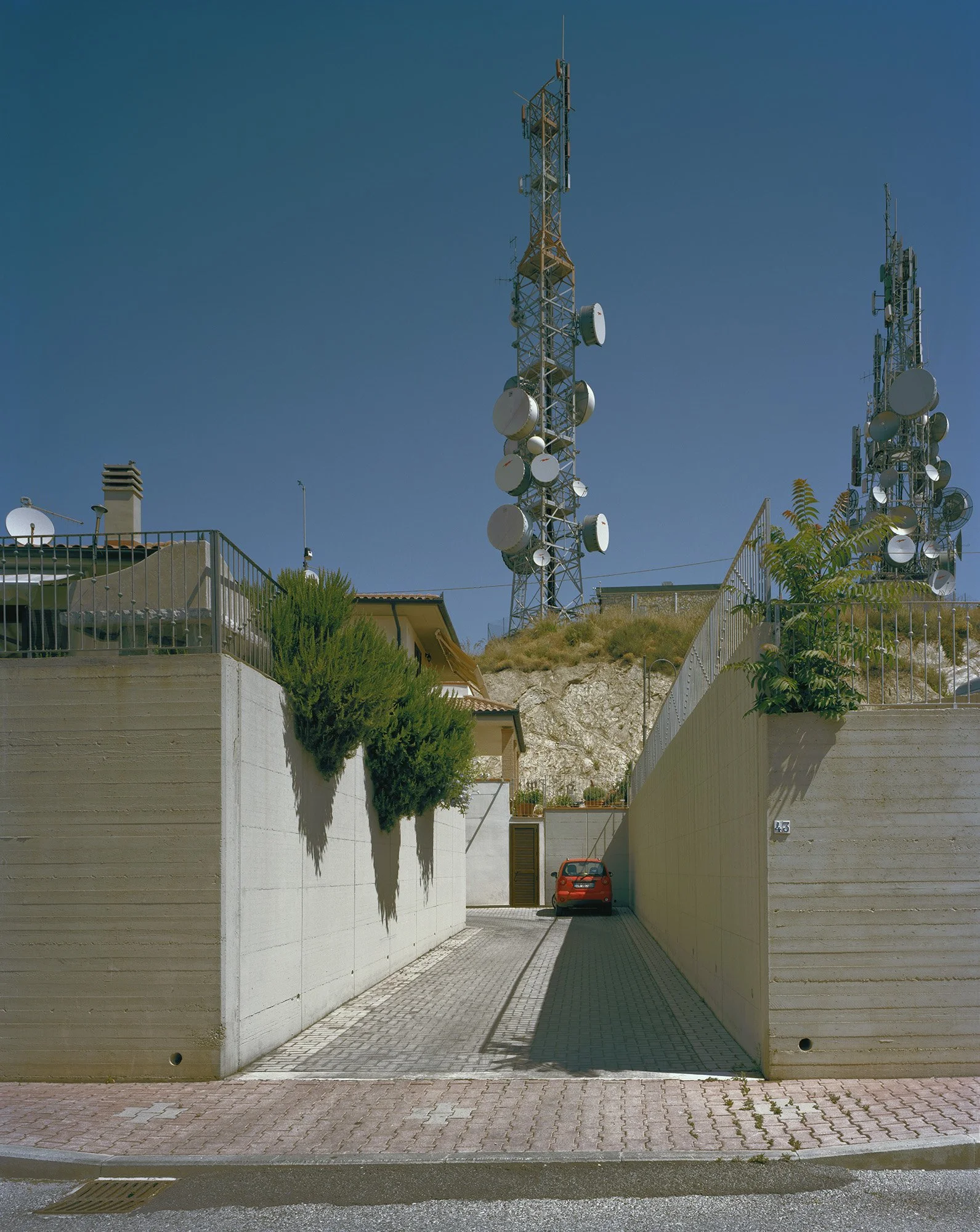
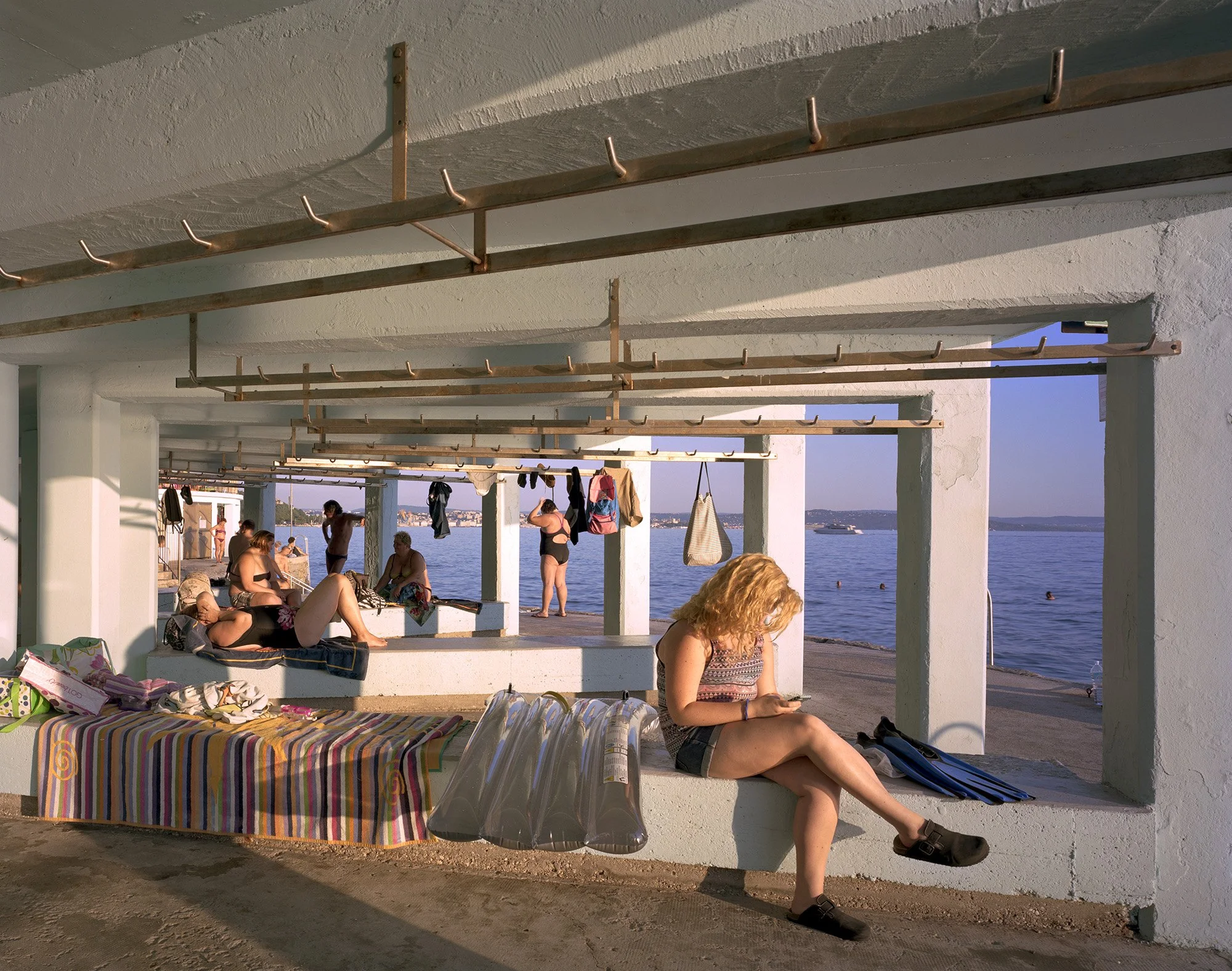
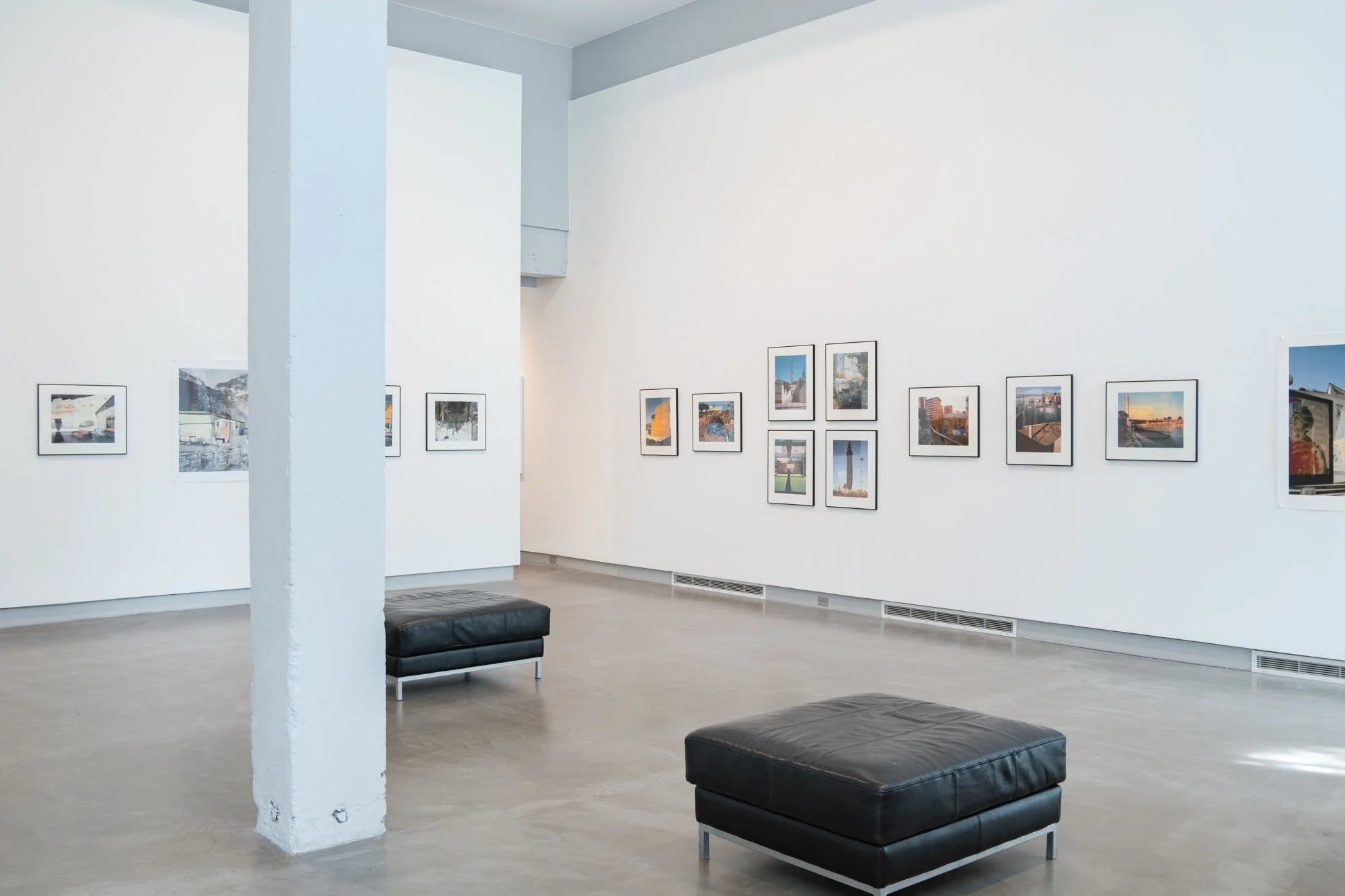
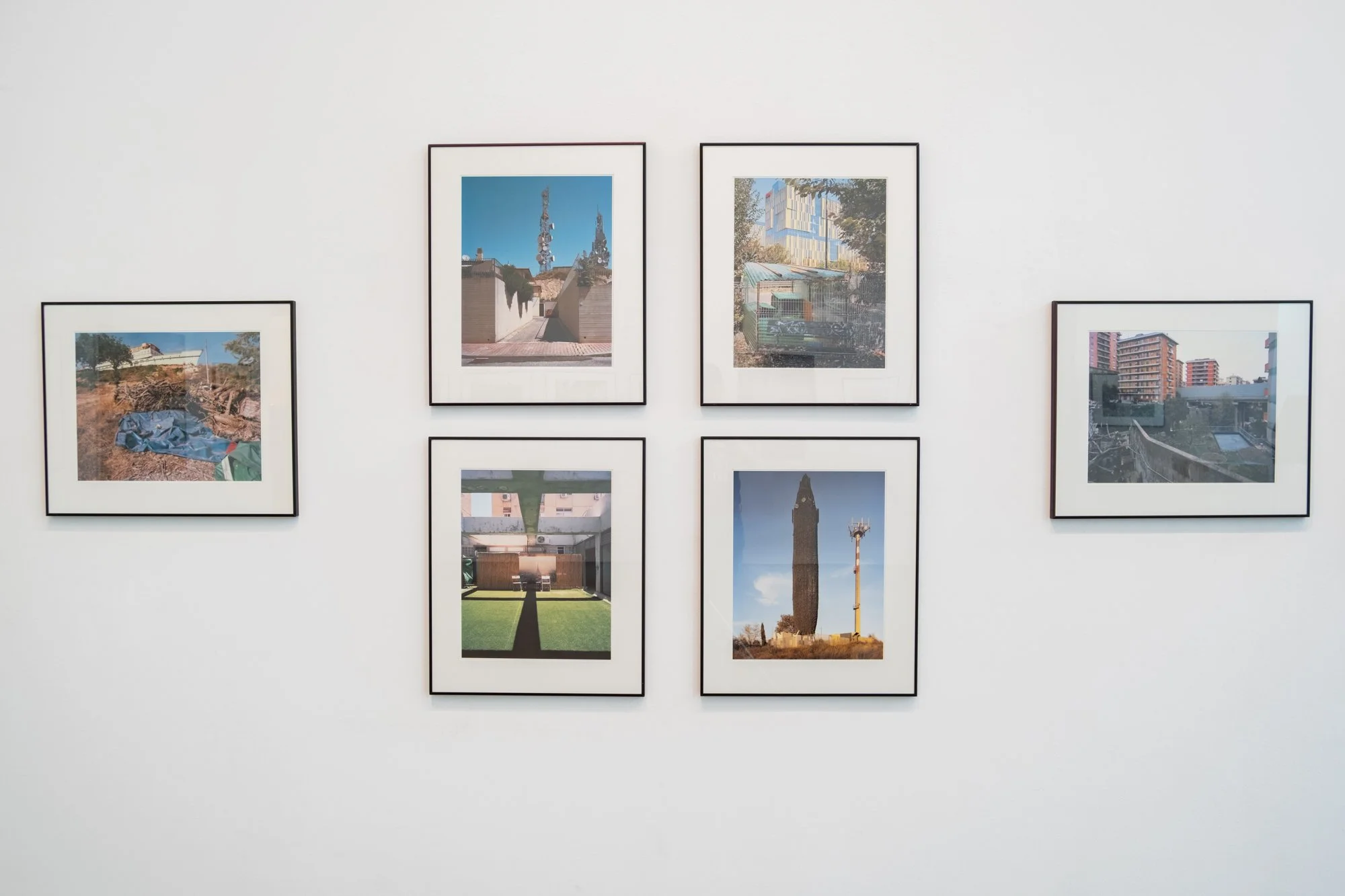
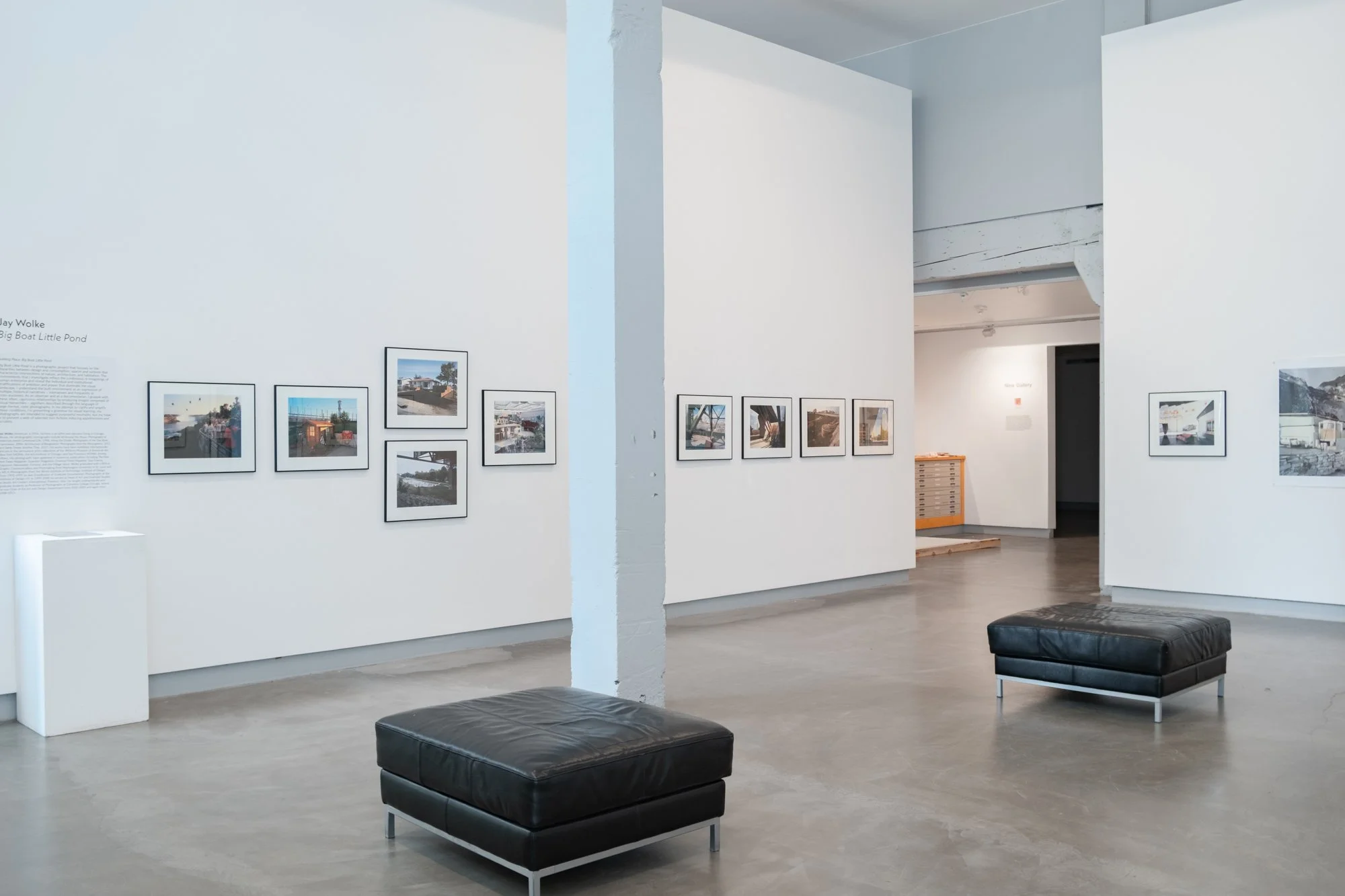
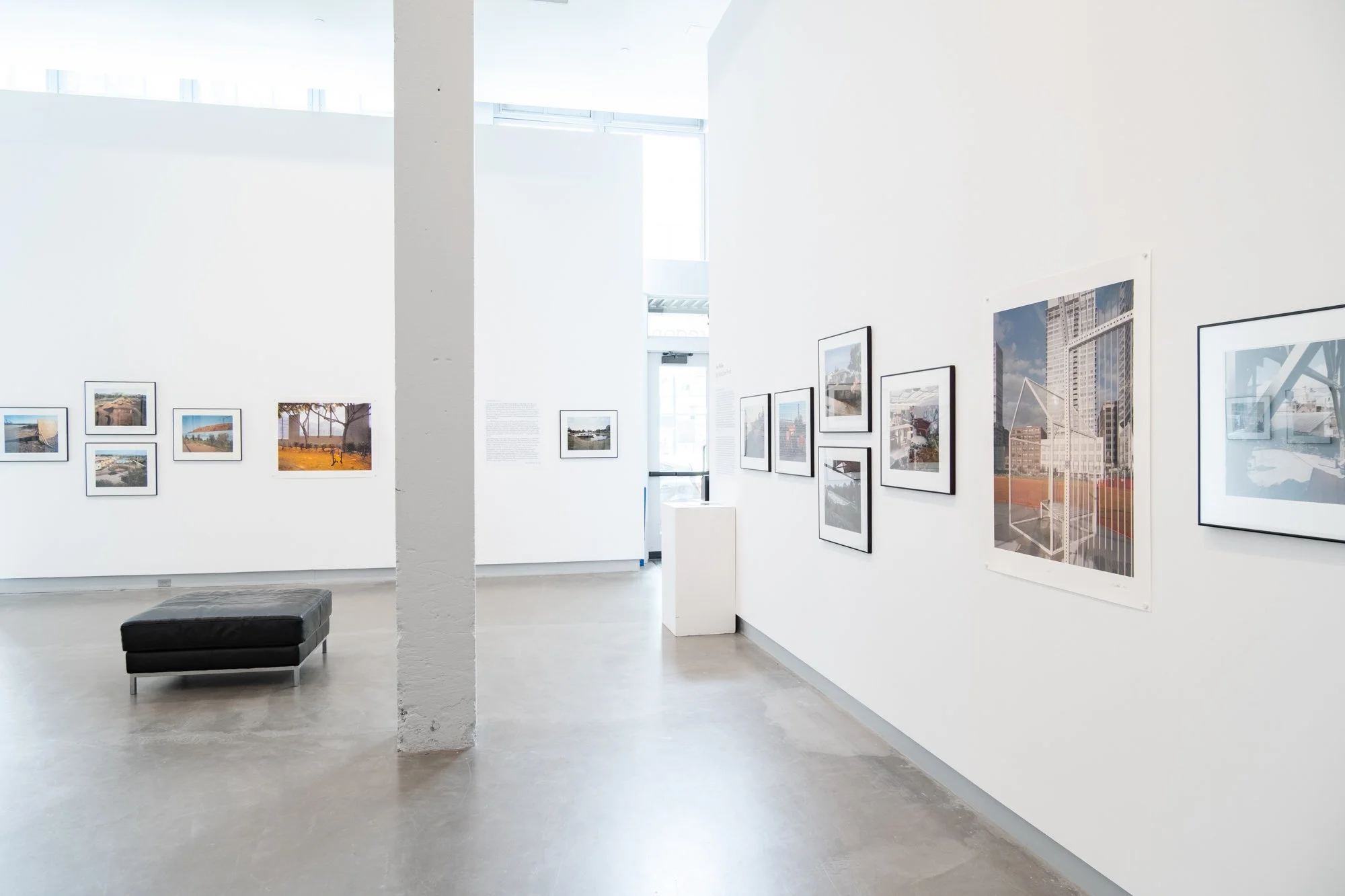
Big Boat Little Pond is a photographic project that focuses on the disparities between design and consumption; spaces and systems that characterize intersections of nature, architecture, and habitation. The environments that I investigate reflect the continuous re-imaginings of human enterprise and reveal the individual and institutional stratifications of ambition and power that dominate the visual landscape. I understand the built environment as an expression of multiple, historical narratives – interwoven and frequently at cross-purposes. As an observer and as a documentarian, I grapple with these often, capricious relationships by producing images composed of visual hierarchies – signifiers described through the language of large-format, color photography. In my attempt to clarify and amplify these conditions, I’m presenting a grammar for visual learning; my photographs are intended to suggest purposeful neutrality, but my hope is to present a web of selected non-fictions inducing apprehension and scrutiny.
Curator’s Statement:
If all we had were Jay Wolke’s photographs in Big Boat Little Pond as evidence of life on earth, one could be forgiven for thinking what a strange and unknowable species these humans were. Given the evidence of Wolke’s pictures, the viewer is invited to wonder: who were these people capable of such impressive, functionless and mysterious structures all running into one another in a cacophony of design? Were they one people or many who never agreed to a hierarchy of purpose and meaning? Is then what remains the architectural consequence of the Tower of Babel?
I use the past tense because in almost all of Wolke's pictures, there are no people in and around the many structures that were built for so many. Their absence is deafening. What happened and where did they go? Again, without anything else to go on, all we have are the pictures. But one offers a clue, “Zip Line, Niagara Falls, Canada 2023”. It shows four figures flying on guide wires up and out of the frame. On the right side of the frame is a line of people, perhaps waiting their turn to leave, with the last one, Jay Wolke – the man with the camera - recording how they all left.
Gary Winogrand once said “there is nothing so mysterious as a fact well described”. In the end, that’s the pleasure that underlies all of Wolke’s pictures. These humans may be odd, but Wolke loves what he sees and makes images that savor every detail. His images run the gamut from playful, disquieting, weird to serenely beautiful. All full of wonder and hard to believe were it not for the irrefutable evidence of the photograph. He may photograph from the point of view of the last person to leave - or the first to return from a long absence - but everywhere he goes and everything he sees is an opportunity for a tour de force of composition, light and color. I’m sure if Wolke had been in charge of things all along, then the built environment might have the aesthetic coherence of his pictures. The world might be a better place but then what would Wolke photograph?
— Paul D’Amato 11/25
Jay Wolke (American, b.1954, he/him) is an artist and educator living in Chicago, Illinois. His photographic monographs include All Around the House: Photographs of American-Jewish Communal Life, 1998; Along the Divide: Photographs of the Dan Ryan Expressway, 2004; Architecture of Resignation: Photographs from the Mezzogiorno, 2011 and Same Dream Another Time, 2017. His works have been exhibited internationally and are in the permanent print collections of the Whitney Museum of American Art, New York MOMA, the Art Institute of Chicago, and San Francisco MOMA, among others. His photographs have appeared in numerous publications including The New York Times Magazine, Guardian Magazine, Financial Times Magazine, Geo France, Exposure, Newsweek, Fortune, and the Village Voice. Wolke graduated with a BFA in Graphic Communication and Printmaking from Washington University in St. Louis and a MS in Photography from the Illinois Institute of Technology, Institute of Design. From 1992-1999 he was Coordinator of Graduate Documentary Photography at the Institute of Design, IIT. In 1999-2000 he served as Head of Art and Graduate Studies at Studio Art Centers International, Florence, Italy. He taught undergraduate and graduate students as Professor of Photography at Columbia College Chicago, where he was Chair of the Art and Design Department from 2000-2005 and again from 2008-2013.