
Elliot Ross
2025 Critical Mass Solo Exhibition
A Question of Balance
Apr 2 - May 2, 2026
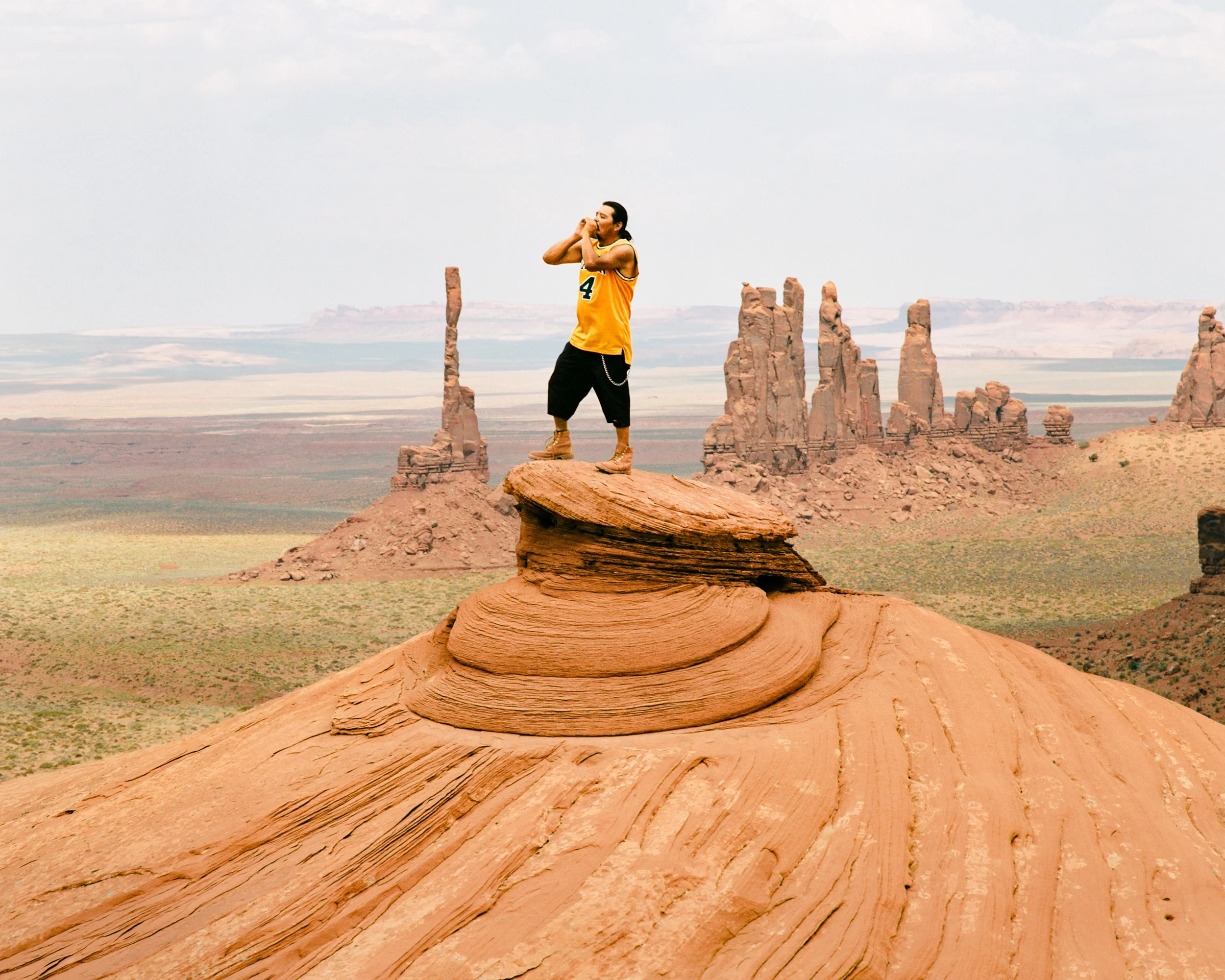
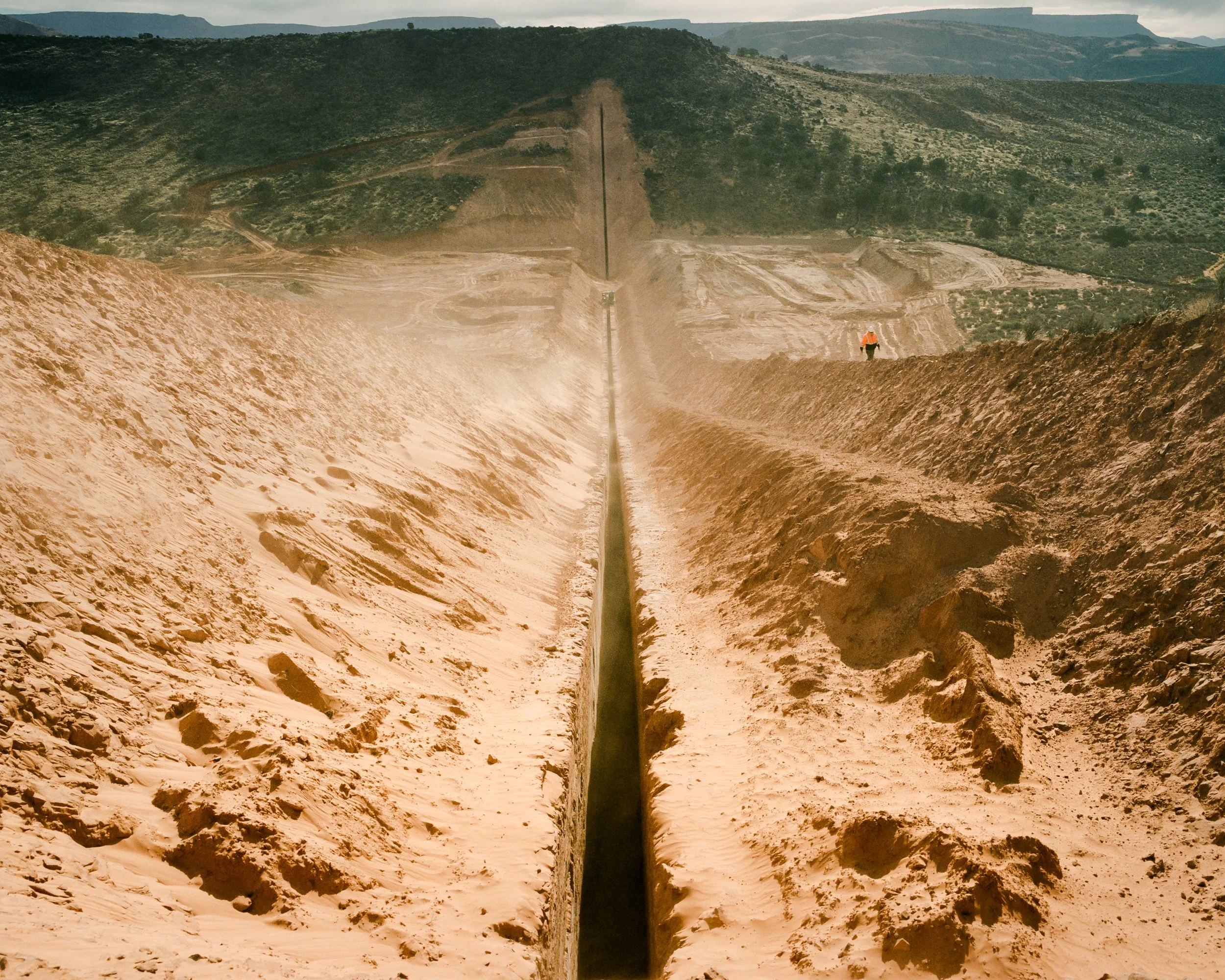
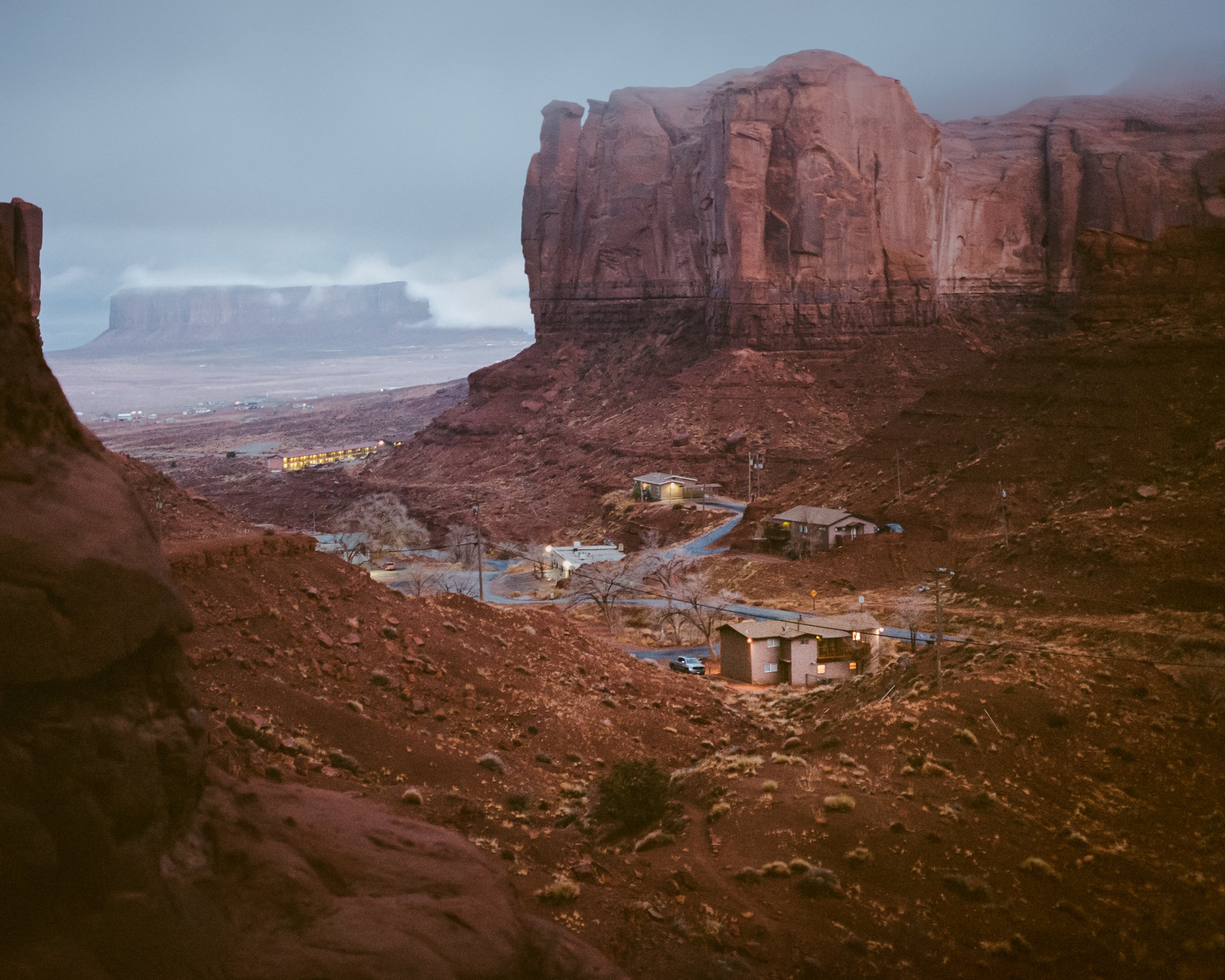
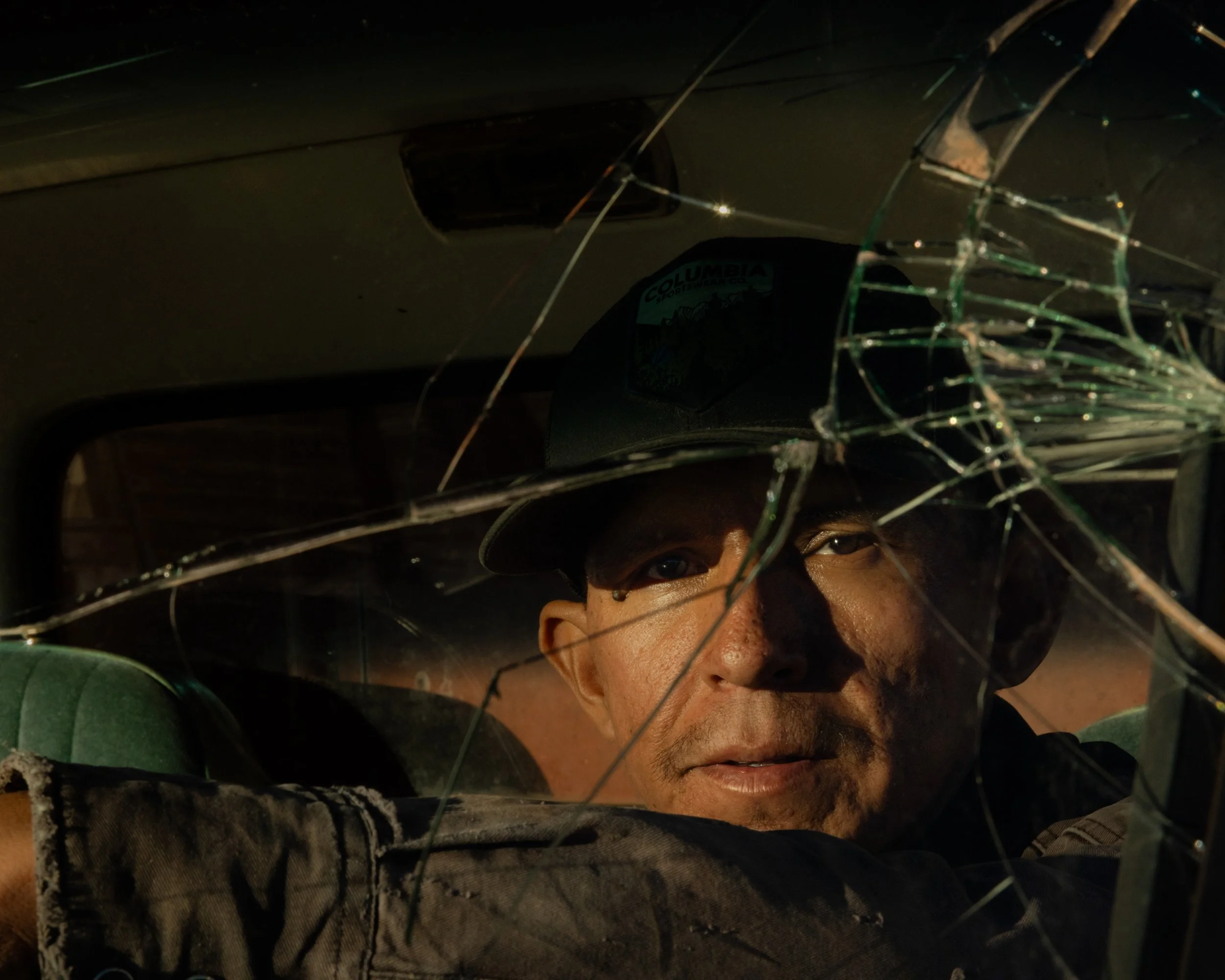
As the American Southwest endures the worst drought in 1,200 years, A Question of Balance tells the story of a water supply divided along racial lines. Water is not taken for granted in the Navajo Nation—the largest Native reservation in the United States. More than one in three Diné (Navajo) must haul water to their rural homes. The Diné, who are 67 times more likely to lack running water than the average American, use the least amount of water per person in the nation yet effectively pay the most. Eighty miles away, in Utah’s Washington County, the opposite is true in the predominantly affluent Mormon communities centered around St. George. Despite relying on the same water supply, residents pay some of the lowest water rates in the country, and consume the most per person.
This project is close to home. Living between the two communities, I too rely on the same Colorado River Basin water that I enjoy safely, cheaply, and reliably. Over four years, I’ve built meaningful relationships and studied the underlying forces that have wrought this inequity. Using a medium format analogue camera, this work illustrates how water fundamentally shapes lives, landscapes, and possibilities through the contrast these two neighbors present.
As regions around the world experience dramatic changes to their climate, the question is not only how water will be managed, but also for whom. Without deliberate action, those who have long been disenfranchised will bear the greatest consequences, further widening existing inequities. To be clear, Washington County isn’t the cause of the Navajo Nation’s thirst. The water gap is an enduring legacy of Manifest Destiny, and the infrastructure and legislation it produced still largely define how water is used in the American West. Leaning against his wooden corral and framed by the iconic pinnacles of Monument Valley, rancher Billie Charlie put it succinctly: “We must prioritize humans, not corporations. Prioritize balance.”
Funded by The Center for Contemporary Documentation and the Magnum Foundation, with academic support from the Ted Scripps Fellowship and the University of Colorado.
Elliot Ross (b. 1990, Taiwanese-American, he/him) My photographic practice is deeply connected to the American West—a region that serves as a text for exploring how landscapes, both natural and constructed, influence communities and cultures. I see my bodies of work as long standing investigations into the impact of settler colonialism, the urban-rural disconnect, and human relationships with natural resources. Projects develop over years, built on collaborative relationships, underpinned by trust and openness. Drawing from my own experiences as an individual of mixed Taiwanese-Anglo-American descent, I see photography as a means of exploring—and sometimes challenging—our relationship with the places we call home and their contested histories. My goal is to encourage connections that bridge gaps in understanding to facilitate a deeper sense of convergence during a time of ecological collapse and societal rupture.